Category: Blogs

  • Understanding Extended Producer Responsibility For Packaging

    Understanding Extended Producer Responsibility For Packaging

    In 2023 the Packaging Regulations in the UK were reformed, where Extended Producer Responsibility is now in its place. However, this won’t come into effect until 2025. This is already in effect with businesses needing to record their data and make the 2024 H1 submission.  Charges will not come into effect until 2025 based on the 2024 submission data. This change forces businesses to bear the Full Net Cost of packaging disposal at end-of-life.. 

    In this blog we’ll explore everything you need to know about Extended Producer Responsibility and how it will affect your packaging strategy.  

    What is EPR? 

    Extended Producer Responsibility (EPR) is a mandatory environmental policy across the UK that ensures companies are fully accountable for the impact the following product categories have on the environment:

    • Packaging.
    • Batteries.
    • Waste Electrical and Electronic Equipment (WEEE).

    Extended Producer Responsibility (EPR) has been implemented to ensure producers take responsibility for their packaging throughout the entire lifecycle, including the post-consumer stage. This will help offset the cost of recycling their material in the UK waste stream.

    What are the aims of EPR?

    • To ensure businesses take accountability for their packaging from conception, right through to the end of life. 
    • To encourage a review of the current packaging used and potentially change the materials and/or quantity used.
    • To increase packaging recyclability and reusability.

    How will Extended Producer Responsibility affect packaging costs?

    The current producer responsibility system shares the costs throughout the supply chain. These costs are split into the following percentages:

    • Manufacturers of packaging materials pay 6%.
    • Businesses that convert raw materials into packaging pay 9%.
    • Businesses that pack/fill the packaging pay 37%.
    • Businesses that sell the filled packaging pay 48%.

    Under EPR, one business will have 100% of the responsibility for complying and paying for the costs under Extended Producer Responsibility regulations. 

    Extended producer responsibility regulations

    Small businesses must comply with Extended Responsibility Regulations if:

    • They have an annual turnover of over £1 million.
    • They have generated more than
    • 25 tonnes of packaging waste in the UK market in the previous calendar year.

    Large businesses must comply with EPR regulations if they have an annual turnover above £2 million and generated over 50 tonnes of packaging waste in the previous year.

    If you don’t meet the above points you don’t need to register, but you will need to monitor your packaging usage and annual turn over to ensure you comply with these regulations each year. 

    Our packaging consultants at Titan Packaging can help you collect data across your packaging lifecycle, allowing you to stay compliant with EPR regulations and identify areas of improvement throughout your packaging operations. This will help improve overall efficiency, save money and decrease returns rates as your packaging will protect your products.

    For further information and guidance regarding the new Extended Producer Responsibility regulations, get in touch with us today.

    Extended producer responsibility legislation

    EPR legislation mandates that product and packaging manufacturers, importers, and brand owners take responsibility for minimising their products’ and packaging’s environmental impacts throughout their lifecycle. This means businesses must contribute to all costs associated with collecting, recovering, and disposing of their materials. Additionally, they must invest in consumer campaigns to educate consumers about proper recycling practices.

    Extended Producer Responsibility key points

    There are a few key points businesses should be aware of regarding EPR, including:

    • As of October 2025 companies will have a greater responsibility for household packaging waste.
    • Businesses will need to collect and report additional data regarding packaging types and recyclability every six months. This has been in effect since 2023.
    • For organisations using hard or costly materials to recycle they’re likely to see an increase in compliance costs due to the introduction of eco-modulation of EPR fees as of 2026. 
    • A separate reporting obligation will be required for packaging supplied by the UK nation.
    • A binary recyclable label must be displayed on packaging clearly stating whether the packaging should or shouldn’t be recycled. This will come into effect as of April 1st 2027.

    What is eco-modulation?

    Eco-modulation offers rewards and penalties for how environmentally friendly a company’s products are. It can be applied to packaging, batteries and Waste Electrical and Electronic Equipment (WEEE).

    How does eco-modulation work?

    • Eco-modulation fees are adjusted, with some types of packaging having higher fees than others. For example PVC packaging might have a higher price than plastic packaging.
    • Reimbursements may be distributed if producers make desirable choices.
    • When undesired choices are made, penalties may be given out.

    At Titan we offer an Extended Producer Responsibility consultation where we can help you ensure your packaging protects the planet and that your operations comply with EPR regulations.

    Get in touch with us today to see how we can help.
  • 7 Sustainable Packaging Ideas

    7 Sustainable Packaging Ideas

    Retail and e-commerce play a vital part in the UK economy, contributing to 4.9% of the UK’s total economic output in 2023.

    But despite the critical role, there’s significant pressure for brick-and-mortar and online shops to operate on shrinking profit margins while facing increasing pressure from consumers to adopt sustainable practices. The reality is that balancing profit and practicality with sustainability is challenging; especially when it comes to packaging, where environmental impact and consumer expectations are exceedingly hard to navigate.

    From the Plastic Packaging levy to accusations of greenwashing, the sustainable packaging landscape is becoming increasingly complex and can often feel impossible to navigate.

    At Titan Packaging, we’ve been assisting national brands in the health and beauty, food, and beverage industries in developing sustainable packaging strategies. Here are some sustainable packaging ideas that can help your retail or e-commerce business make a positive impact.

    1. Reduce Your Packaging Size

    We’ve all been there. You’ve finally received your parcel and it appears to be the world’s biggest box with a product that’s the size of a jelly bean. Now, you’ve got to get rid of excessive cardboard and void fill.


    It’s a common issue that most retailers struggle with; after all, according to DHL the average box is 40% too big. Packaging that’s too big or too small is a waste of material and increases the risk of products being damaged during transit, thus impacting your returns rates (and excess carbon emissions that come with this). Storing several different size cardboard boxes is also inefficient, and means you’re holding onto excess stock.


    Instead, consider 3 to 4 different box sizes that can be used across your product range. This reduces the amount of ‘empty space’ and filler shipped, thereby decreasing environmental impact and material costs. Smaller packages also allow for more efficient transportation, reducing emissions and costs per item. Additionally, appropriately sized packaging minimises product damage and return rates, ensuring items reach customers in perfect condition.


    2. Recycled Plastics > Virgin Plastics

    In an ideal world, we’d eliminate plastic entirely and utilise materials that were 100% recyclable or biodegradable. However, there are instances where plastic remains the best material for the job, due to its waterproof and durable qualities. However, these same properties are what make plastic so bad for the environment, as it takes anywhere from 20 to 500 years to decompose (The UN).


    The good news is that switching from virgin plastic to recycled plastic can significantly reduce waste and environmental impact (and save money).

    According to Tide, plastic recycling can save up to 80% of the carbon emissions associated with virgin plastic. Pair this with the fact that the UK government has increased the Plastic Packaging Tax from £210.82 per tonne to £217.85 per tonne for any plastic with less than 30% recycled content, it’s clear that recycled plastic is the most cost-effective and environmentally friendly choice.


    At Titan, we offer plastic closed loop recycling. This means that we’ll recycle plastic and put it back into UK manufacturing. By implementing closed loop recycling you can preserve natural resources, minimise harm caused to plants, reduce pollutants and lower the use of landfill sites.


    Discover more about closed loop recycling in our blog.


    3. Make Labelling Clear

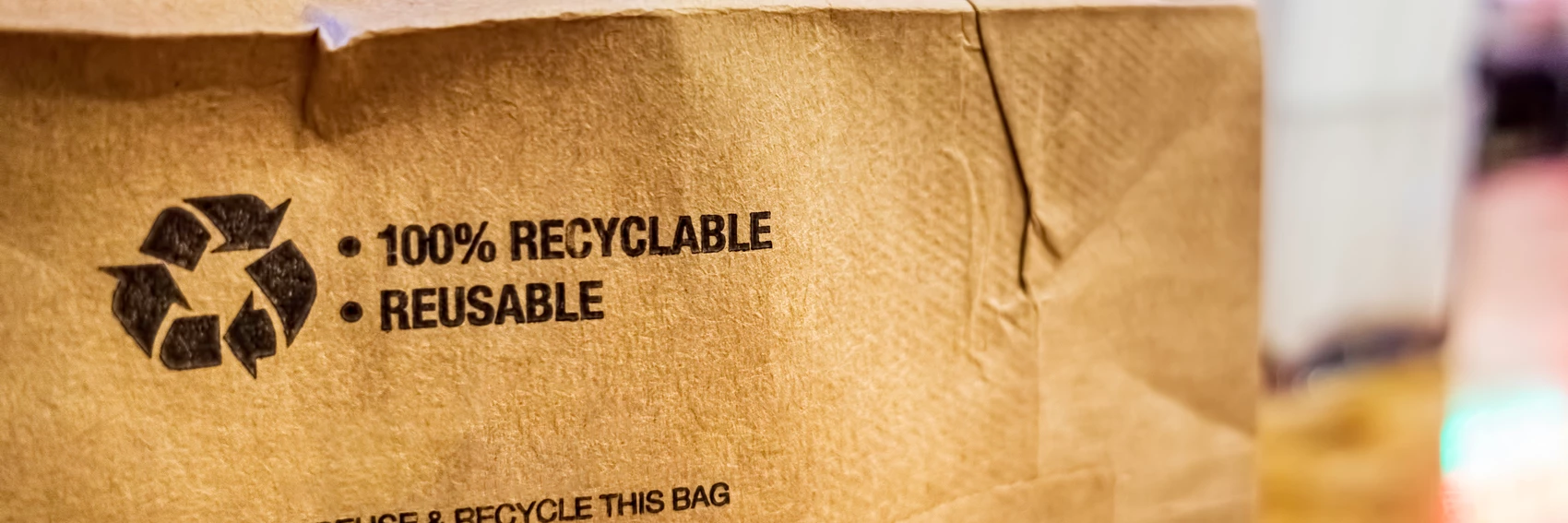
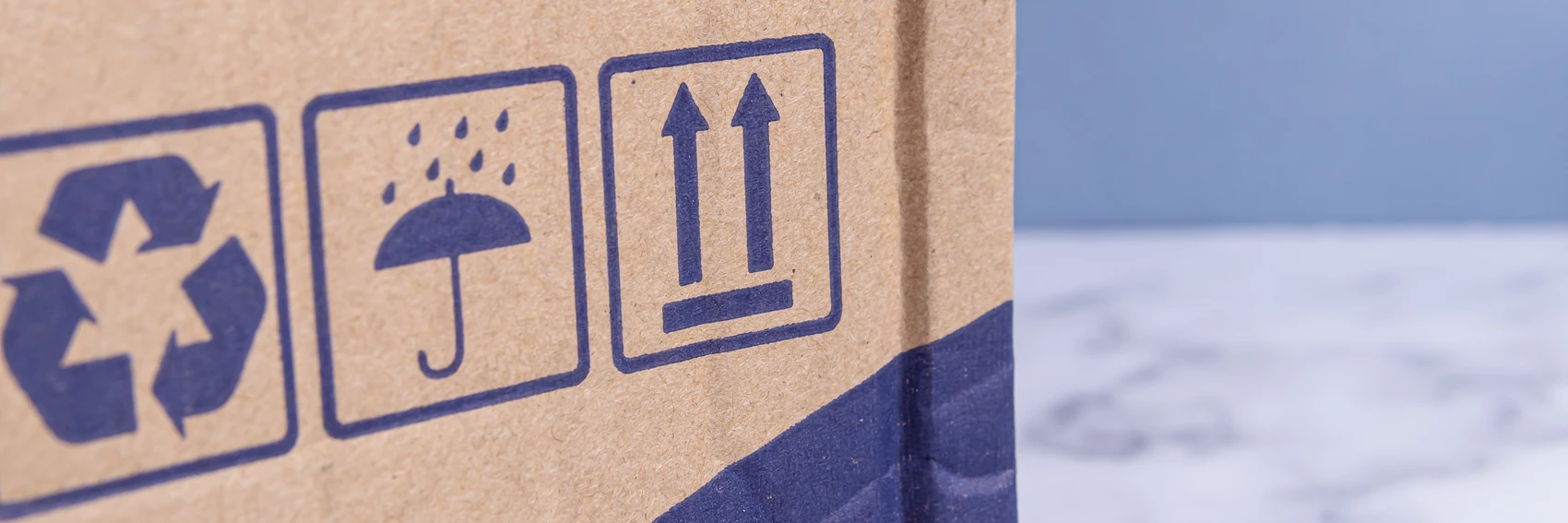
    One of the biggest barriers to recycling is a lack of instruction and unclear labelling. If the plastic wrap, void fill or cardboard you’re using is recyclable, it needs to be immediately obvious to the customer. You should have easy-to-see, clear recycling symbols and instructions (do they need to remove tape? Should the plastic be taken apart?) This can significantly help improve recycling rates. Clear labelling removes the guesswork and makes it easier for consumers to do their part in reducing waste.


    4. Make Your Packaging Reusable

    We’ve all experienced it before – you’ve spent ages picking the perfect present for someone and they’re obsessed with… the packaging. From kids discarding the toys and spending hours playing in boxes to cats sitting in the box their cat bed came in, rather than the bed itself, your packaging can have a new lease of life after it’s transported your products from A to B.


    So why not enhance your customer experience by designing packaging that can be reused? For example, if you manufacture children’s toys, you could create packaging that can be coloured in or used as part of the toy. In the luxury beauty sector, packaging could double as a reusable branded makeup bag or luxury box. Adding a QR code to your packaging or accompanying materials is a great way to communicate how your customers can reuse the packaging, reducing the likelihood of it being thrown away.


    5. Review Your Packaging Storage

    How and where your packaging is stored is often an afterthought, but can have huge implications if materials aren’t stored properly.


    For example, temperature fluctuations and excess moisture can compromise the structural integrity of materials like cardboard. Additionally, poor storage practices such as how and where materials are stacked on shelving can lead to damage.

    All of this could result in material waste from unusable packaging, or products being damaged during transit. This therefore impacts returns rates and causes further emissions from product returns and replacements.
    Implementing proper stock management and working with a specialist packaging consultation to replenish supplies as needed can help maintain the quality of your packaging.


    6. Optimise Your Packaging Process

    Packaging products takes time, and human error is inevitable. However, mistakes can be minimised when you introduce machinery, automation and ensure everyone has proper packaging training.

    For example, utilising machinery such as tape dispensers and wrapping machines can ensure consistency every single time, and streamline the packaging process, reducing material usage. Training staff to use these tools properly not only enhances cohesion but also promotes health and safety, reducing accidents and associated time off work. If you’re unsure of how to bring machinery into your packaging process, speak to a packaging consultant – they’ll review your operation from start to finish and recommend the right packaging solutions for you.


    7. Use FSC® Certified Products

    Every year, the UK uses 12.5 million tonnes of paper and cardboard and 7 million tonnes end up in landfill every year.

    This is why it’s important to use paper and cardboard that’s certified by the Forest Stewardship Council (FSC®).  This ensures that the materials come from well-managed forests and recycled sources. The FSC® certification is a stamp of approval that demonstrates your commitment to sustainability and assures consumers of the environmental responsibility of the product. It can also be a defining factor when customers choose to purchase from you.

    In 2021, 71% of adults expressed a preference for FSC-certified products.


    Implement sustainable packaging practices with Titan

    Adopting sustainable packaging practices is not only beneficial for the environment but can also improve profitability by reducing costs and enhancing customer satisfaction. A lot goes into choosing the right packaging for your product, so it’s important to make sure you’re following government guidelines and opting for packaging that protects your product and is cost-effective. Find out more about how to effectively package your products.


    Get in touch with Titan Packaging today.

  • Alternatives to Plastic Packaging

    Alternatives to Plastic Packaging

    In e-commerce and retail, packaging is crucial. It protects products during transport, enhances the customer experience, and is arguably just as important as the product itself. However, the use of plastic packaging carries a stigma, often suggesting brands are indifferent to sustainability.

    This creates a significant challenge for businesses. While plastic might be the best material for certain products, the pressure for brands to be 100% plastic-free and sustainable is immense. Especially when greenwashing accusations are a real threat, as evidenced by global apparel brands being called out on social media with virtual pitchforks and flaming torches.

    The reality is that the need to reduce plastic usage is urgent. UK households discard nearly 2.2 billion pieces of plastic packaging a week, and the government has increased the Plastic Packaging Tax by 3% from £210.82 per tonne to £217.85 per tonne in a bid to incentivise change.

    It’s time for UK retailers to up their game, protect their brand reputation and reduce their carbon footprint by adopting a more sustainable approach to plastic packaging. 

    Balancing functionality and sustainability

    A sustainable packaging strategy doesn’t happen overnight, and the key lies in balancing functionality with environmental impact. 

    For example, there’s no point in swapping plastic for compostable packaging if your products get damaged and your return rate increases. This leads to broken items in waste and excess transport to return and replace the items. 

    Instead, businesses must consider the entire lifecycle of their packaging materials, from production and use to disposal and recycling. 

    Material life cycle assessments

    Conducting a life cycle assessment helps businesses understand the environmental impact of their packaging choices. This assessment considers factors such as resource extraction, manufacturing processes, transportation, usage, and end-of-life disposal. One such example is the use of cardboard or paper – if the materials used aren’t FSC-certified, organisations may be contributing to deforestation, the loss of biodiversity and more. 

    Educate consumers

    Brands need to tell customers what to do with the packaging once they’ve received their products. From stating what parts are recyclable to coming up with innovative ways to use the packaging afterward (think QR codes linking to video tutorials on a website), educating consumers is key.  Every package should have clear labelling and instructions to help consumers make environmentally friendly choices.

    Think about the design

    One of the biggest material wastes in packaging comes from poor packaging design. Investing in innovative packaging design can reduce material usage and waste. For instance, designing packaging that can be easily disassembled for recycling or using modular components that serve multiple purposes can minimise environmental impact.

    Recycled plastic  

    Some situations require plastic, and for brands aiming to balance functionality with sustainability, recycled plastic is a great option. Unlike virgin plastic, which is produced directly from petrochemicals, recycled plastic is made from reprocessed plastic materials. This reduces the demand for new plastic production and lowers the environmental footprint associated with manufacturing. 

    Additionally, if brands want to be exempt from the UK Government’s Plastic Packaging Tax (PPT), they must ensure the plastic packaging they’re manufacturing or importing into the UK contains at least 30% recycled material.

    From voidfill airbags and polythene bags, to pallet wrap and lay flat tubing, the right packaging specialists can help you source recycled plastic packaging that aligns with your brand’s values while protecting your products and bottom line. 

    Alternatives to plastic

    While recycled plastic is a step in the right direction, it is not the only solution. Especially if a brand has committed to being 100% plastic-free in the future. There are several other alternatives to plastic packaging that brands can consider:

    • Biodegradable packaging: Made from materials such as cornstarch, mushroom mycelium, and seaweed, biodegradable packaging can decompose naturally in the environment, reducing landfill waste and pollution. However, certain types of packaging may only decompose under specific conditions.  
    • Paper and cardboard: FSC-certified cardboard and paper are great alternatives to plastic, especially when used with sustainable void-fill. They offer a versatile and sustainable option, especially for dry goods and non-perishable items. There’s also scope to make cardboard packaging ‘reusable’ for the customer. 
    • Glass: While heavier and more fragile than plastic, glass is 100% recyclable and can be reused multiple times without loss of quality. It is ideal for products that require  a higher level of protection and preservation.
    • Metal: Aluminium and tin are commonly used for packaging food and beverages. They are highly recyclable and offer excellent durability and protection.
    • Compostable packaging: Compostable materials break down into non-toxic components that can safely return to the soil. This type of packaging is particularly useful for food items and organic products.

    The path to sustainability in packaging involves a multifaceted approach. At Titan Packaging, we’ve got a wealth of experience in helping global retailers and e-commerce brands revolutionise their packaging strategy so that they can safely transport their products and provide the best customer experience possible.

    Get in touch if you’d like to discuss sustainable packaging for your brand.

  • Redefine Your Brand with Eco-Friendly Packaging

    Redefine Your Brand with Eco-Friendly Packaging

    If there’s one New Year’s resolution we’re seeing brands get on board with, it’s the goal to operate more sustainably, and Team Titan are here for it. 

    It’s no secret that packaging (especially plastic packaging) plays a substantial role in the UK’s waste problem, with houses throwing away an eye-watering 100 billion pieces of plastic packaging a year. Additionally, in 2021 the UK generated 2.5 million metric tons of plastic packaging waste (Statista).

    So, it’s clear that a lot more needs to be done when it comes to the war on waste, and whilst the government is doing their part and introducing measures such as the Plastic Packaging Tax, it’s time for brands to take responsibility and step it up. 

    There’s a direct (and albeit complex) link between packaging waste and retailers. Think about it, if retailers stop using single-use plastic and transition to sustainable and environmentally friendly packaging, the amount of waste can be drastically reduced, and that’s always a good thing. It is also becoming more obvious that organisations are feeling the pressure from consumers to adopt more environmentally friendly practices across their operations. 

    From high street coffee chains introducing measures to reduce the number of disposable coffee cups thrown away every year (2.5 billion to be exact), to luxury apparel giant, PVH committing to use 100% sustainable and ethically sourced packaging by 2025, the customer is calling the shots. And it’s also a clear demonstration that retailers can adopt eco-friendly packaging. 

    The benefits of eco-friendly packaging

    Brand perception and loyalty

    Sustainable packaging focuses on so much more than just using green materials; it’s about embodying a philosophy that resonates with your audience. We’ve said it before and we’ll say it again. Consumers buy from brands that align with their core values. They want retailers to demonstrate environmental responsibility, which then leads to enhanced brand loyalty and advocacy. When you choose eco-friendly packaging, you’re ticking all these boxes (pardon the pun).

    Regulatory compliance and future-proofing

    The conversation surrounding sustainability and waste is global, with measures and frameworks regularly introduced. From Extended Producer Responsibility to the Plastic Packaging Levy,  governments worldwide are imposing stricter regulations on packaging waste, transitioning to sustainable practices is not just ethical but practical. So why not get ahead of the competition and future-proof your business against upcoming regulations?

    Reduced costs 

    Eco-friendly packaging focuses on more than the materials you’re using – it’s about reviewing your packaging processes as a whole and finding ways to improve them. From the size of the packaging to the process itself, it’s all about improvement and waste reduction. 

    Contrary to popular belief, sustainable packaging can be cost-effective in the long run. Reduced material usage, lower shipping costs, and increased efficiency contribute to a healthier bottom line. When you bring in packaging consultants who specialise in sustainable packaging (yes, a shameless plug for our excellent services), you’ll be
    amazed at just how much money you’ve saved.

    The brands leading the way for eco-friendly packaging 
    When done properly, your brand can become synonymous with sustainability, and that’s always a good thing.
    At Titan, we work with premium, industry-leading brands across the globe and have seen first-hand just how powerful using eco-friendly packaging can be for your business. Patagonia is a brand that’s certainly getting it right! 

    Patagonia 

    This outdoor clothing brand has set a benchmark in sustainability. Their commitment to using recycled materials and encouraging product reuse exemplifies their dedication to eco-friendly practices. Their clothes are made from sustainable materials (as well as their packaging) and they also encourage customers to recycle old Patagonia products and purchase items second-hand.  

    Overcoming the challenges of sustainable packaging

    In an ideal world, we’d eliminate all single-use, unethical packaging and eco-friendly packaging would be second nature. But the reality is that adopting sustainable packaging isn’t without its challenges. 

    From the initial onboarding costs to time spent analysing and identifying areas of improvement, sourcing reliable suppliers of sustainable materials, and redesigning existing packaging, it isn’t an overnight switch. However, these challenges can be mitigated through strategic planning, collaboration with the right partners (aka Titan), and incremental implementation.

    How is technology supporting eco-friendly packaging? 

    Advancements in technology play a pivotal role in sustainable packaging. From bioplastics to digital printing techniques that reduce waste, and even strapping machines, tape-sealing machinery and more, technology is enabling brands to adopt more sustainable practices without compromising on quality or design. 

    Measuring the impact

    Data is king, and when you work with specialist packaging consultants, you can measure the impact of your sustainable packaging initiatives and understand what is and isn’t working. This can be done through life cycle assessments, carbon footprint analysis, and customer feedback. These metrics not only help in fine-tuning your approach but also in communicating your environmental impact to stakeholders.

    Marketing your brand values 

    Leveraging your sustainable packaging as part of your brand story is essential. It’s not just about the packaging itself but how it reflects your brand’s values. Effective communication through marketing channels can amplify your brand’s commitment to sustainability. Here are a few ways you can leverage marketing to your advantage.

    Social media and influencer partnerships

    Showcase your eco-friendly packaging initiatives on platforms like Instagram, TikTok and YouTube. Engage with your audience through stories and reels that highlight your sustainability journey. 

    Engaging with influencers in your industry who are passionate about sustainability is another great way to get your message out there. Their endorsement can lend credibility and reach to your eco-friendly initiatives. And don’t forget about the power of unboxing… 

    Educational content

    Create blog posts, videos, and infographics that educate your audience about the importance of sustainable packaging and how your brand is contributing to this cause. If your packaging is reusable, tell them! Don’t forget to add this message to the packaging itself as well. From the recycling logo to sending your customers to a specific social channel or website, the world is your oyster.

    Embrace sustainable packaging with Titan

    Redefining your brand with eco-friendly packaging is a strategic move that aligns with the evolving consumer values and global sustainability goals.

    At Titan Packaging, we’ve got years of experience in delivering sustainable packaging consultancy to brands across the globe. Using the latest packaging technology, automation and machinery, we can help you deliver a truly exceptional packaging experience. Get in touch and find out more.

  • How Does Pallet Wrap Influence Load Stability?

    How Does Pallet Wrap Influence Load Stability?

    When using stretch wrap it’s critical that you choose the right one. UK businesses use over 150,000 tonnes of stretch wrap a year and according to SP News, companies can reduce their plastic wrap usage by 45,000 tonnes per year when it’s applied correctly. This will improve business’ sustainability and reduce costs, therefore improving profits.

    Due to increases in plastic tax 70% of businesses said their costs increased by up to 24%. Implementing the right stretch wrap can have a huge impact on you reducing how much plastic tax you pay, helping your profit margins, the environment and your brand reputation. 

    So how can you choose the right stretch wrap?

    There are a few things you need to consider, such as:

    • Are your pallets uniformed or irregular?
    • Your Operational layout.
    • How many pallets do you need to wrap?
    • Whether you have a chilled or ambient storage warehouse environment.
    • How thick do you need your wrap to be?
    • Whether you need at least 30% recycled content.
    • The pallet load weight.
    • Your method of transportation.
    • Is it hand or machine applied?


    Call Titan!

    The importance of getting the right pallet wrap for optimum load stability

    Pallet stability is crucial for retailers, manufacturers and warehouses, since unstable pallets pose a hazardous risk for both staff and customers. Without it, companies potentially face financial and operational implications.

    In fact, household brands such as Mcvities biscuits have fallen victim to inadequate pallet wrap. In 2022 a lorry filled with a range of biscuits crumbled en route in Derbyshire, causing traffic delays. 

    In 2019, another lorry caused the southbound stretch of the M25 to close due to spilling beans on the motorway. 

    It’s simple! Suppose load stability is not attained or your pallet incurs damage during transportation. In that case, it can result in significant disruption, harm brand reputation, delay deliveries and loss of product, impacting product margins and additional costs for your business.

    When transported and wrapped correctly, businesses have the ability to not only achieve greater sustainability through minimising film usage to the necessary extent but also increase consumer confidence and brand reputation. In 2020, customer confidence in next day delivery services remained very strong, as 19.9 million pallets were delivered on a premium service.

    The future of load testing

    There are currently no laws or legal requirements surrounding load testing in the UK, however we’re seeing European countries such as Belgium adopt laws such as the Eumos standards. 

    The Eumos standards were originally introduced in 2014 with the aim of reducing the number of traffic accidents caused by unstable loads and have become legislation in Belgium. 

    These regulations were refined in 2018 and specify:

    • The forces a load must be able to withstand.
    • Violating the guidelines can result in high fines.
    • The responsibility of securing a load has been moved from the driver to the shipper and even the packer.
    • Packages need to be kept in place, upright and without deformation, sliding or tilting when being transported.


    Following this implementation, it is predicted that the UK will adopt similar laws during 2024/2025. However, if you’re distributing in Europe you may already need to comply. 

    How film technology is changing

    The technology of film is ever-changing and continually being pushed to reduce its thickness while maintaining its strength using multilayer films. 

    For example, nano stretch film is being used to securely wrap products, as it utilises multilayer films to reduce its thickness. Nano stretch film is made from LLDPE and is extremely flexible giving it a strong holding force. Implementing this within your pallet wrap strategies can reduce your cost per load as you won’t need to use as much film. It also reduces your negative environmental impacts.

    Other benefits include:

    • It is tougher and has a stronger grip for pallet load stability.
    • It’s flexible and can be easily adapted to fit different types of high-speed pallet wrap machines.
    • It has stronger durability against punctures and tears.
    • It’s highly stretchable.


    Due to this, we’re seeing a move toward more environmental pallet wraps that still maintain their strength and durability. Are you doing everything you can to improve your pallet wrap usage?

    Get in touch with a Titan!

    At Titan, we evaluate the capability of pallet wrapping machines, test the holding force and optimise machine performance, to help better protect your products. This ensures the right amount of pallet wrap is being used to boost load stability and reduce plastic waste. 

    We are also able to reduce the amount of film or the thickness of the film you use by undertaking an audit. This cuts costs and lowers the amount of film consumed, reducing your impacts on the environment while improving your bank balance.

    So if you’re utilising pallet wrap in your business, you may want to consider getting one of our pallet wrap experts in to review for you.

    Get in touch with Titan today to see how we can help.

  • Sustainability: Shaping the future with eco-friendly packaging solutions

    Sustainability: Shaping the future with eco-friendly packaging solutions

    The need for sustainability and environmental responsibility is stronger than ever before. As consumers become more conscious of the impact their products and packaging have on the planet, the demand for eco-friendly packaging grows. 

    This blog will explore how environmentally friendly packaging solutions can help your business achieve sustainable excellence.

    What is eco-friendly packaging?

    Eco-friendly packaging is usually non-toxic, biodegradable and designed to be recycled or re-used. It’s also manufactured using clean production technology and is sourced and transported using eco-friendly methods. 

    So how can you implement more eco-friendly packaging solutions?

    Choose eco-friendly materials 


    As concerns around climate change and pollution grow, sustainable packaging is becoming a great solution to non-recyclable packaging. By utilising materials within your packaging that are recyclable, biodegradable or are made from renewable resources businesses can start to significantly reduce their carbon emissions. 

    Opting for recyclable materials can also help you attract and retain customers as 4 out of 5 people say they’re likely to choose a brand with a positive approach to environmental sustainability. 

    Types of sustainable packaging include:

    • Corrugated bubble wrap – This is an excellent swap for traditional plastic bubble wrap.
    • Recycled cardboard and paper – when paper or cardboard needs to be used this is a great option compared to non-recycled or non-recyclable options.
    • Biodegradable and recycled plastics – This is a good option when plastic cannot be avoided within your packaging.
    • Paper Pallet Wrap – A cost-effective and sustainable shipping solution, fully recyclable and plastic-free
    • Paper Voidfill – recyclable and biodegradable, making it an eco-friendly choice for ecommerce packaging.


    Take an innovative approach to packaging designs

    When transitioning to sustainable packaging, it’s not just about the materials you choose, but how you design them as well. Finding ways to optimise your packaging for maximum efficiency can help you significantly reduce your negative impact on the planet. 

    You can make your packaging more efficient by reducing it in size and removing unnecessary void fill, while still ensuring your products are protected. 

    It could also be a great idea to leave instructions or to make it clear to customers on how they should properly dispose of your packaging and products. Adding QR codes to your cardboard boxes is also a great way to reduce paper usage. 

    Optimise your supply chain

    Optimising your supply chain is an essential step in your journey to sustainability. When your entire supply chain is operating sustainably, you will significantly reduce your harmful impacts on the environment. 

    You can optimise your supply chain by:

    • Communicating openly and acting in partnership with your suppliers – Building strong relationships and being transparent on your company goals can enable your suppliers to help you meet your targets. By working together you can find sustainable solutions, like increasing the amount of recycled materials you use or lowering the distance products or packaging travels, reducing your carbon footprint. 
    • Streamline your packaging design – Working with your suppliers to reduce the size of your packaging and introduce more environmentally friendly materials into your business can help you achieve sustainability.
    • Avoid short-term solutions – Focus on long-term solutions with lasting positive impacts rather than quick fixes. Short-term solutions only delay your negative impact slightly, making it more time-consuming to implement sustainability every now and then, rather than consistently.

    The benefits of eco-friendly packaging 

    There are a range of benefits of using eco-friendly packaging, including:

    • Reduced waste: When packaging is optimised to be as efficient as possible you tend to waste less, due to packaging being recyclable or biodegradable.
    • A lowered carbon footprint: Sustainable packaging has a lower carbon footprint due to it being manufactured and transported through environmental procedures.
    • Improved supply chains: Sustainable packaging can lead to a more efficient supply chain, helping processes run smoothly. 
    • Enhance Your Brand: Adopting these practices helps demonstrate corporate responsibility and contributes to a positive brand image.
    • Increase Brand Loyalty: Consumers are more likely to develop long-term loyalty to brands that share their values. By incorporating eco-friendly packaging, you create a connection with customers who prioritise sustainability, encouraging repeat business.
    • Support Sustainability Goals: Using eco-friendly packaging helps reduce environmental impact throughout the entire lifecycle of a product. 

    How can Titan help you implement eco-friendly packaging

    Here at Titan we have three main services designed to help you get the most out of your packaging. These are:

    • Insightful services – This is where we share our knowledge and experience on topics that are important to your business.
    • Logical services – We utilise our expertise and relationships to help create the best solutions for you and your business.
    • Total service – This service is designed to remove the stress of managing your packaging supply, helping you concentrate on your business. 

    So if you’re looking to implement eco-friendly packaging solutions, get in touch with Titan today!

  • 5 Technology Trends That Are Revolutionising Packaging

    5 Technology Trends That Are Revolutionising Packaging

    Digital transformation has impacted every single industry, and packaging is no exception. Conventional approaches to packaging, from design straight through to processes are undergoing a shift, driven by the seamless integration of cutting-edge technologies. 

    From automation and robotics to social media and digitalisation, technology has sparked a packaging revolution marked by unwavering quality, consistency, and remarkable efficiency. Here are five technology trends that are changing the future of packaging.

    Automation and machinery: Precision and efficiency unleashed

    Automation and machinery have been at the forefront of packaging innovation for decades, but recent advancements have propelled these technologies to new heights. From taping to labelling and even quality control, automation has revolutionised the packaging process by ensuring consistent, high quality packaging time and time again.

    Complex tasks that were once labour-intensive and prone to human error are now seamlessly executed by state-of-the-art machinery. From void fill machines to conveyor systems and sealing machines, automated packaging lines can handle a diverse range of products and packaging formats with minimal reconfiguration, thanks to robotics and computers. 

    This flexibility translates to reduced production times, safer working conditions, lower costs, and ultimately, increased output. Moreover, automation contributes to sustainability efforts by minimising material wastage and energy consumption, aligning with the growing demand for sustainable packaging solutions.

    Robotics: Reducing manual labour and streamlining processes

    In the realm of the packaging supply chain, cutting-edge robotics are making a significant impact, particularly in operations. Robots are playing a pivotal role in enhancing operational efficiency throughout the packaging process.

    One remarkable (and new) example is the integration of warehouse robots developed by the Polish startup, No Magic. These robots have revolutionised the traditional manual process of human item retrieval from boxes. By automating these repetitive tasks, these robots are driving efficiency gains in warehouses, which were previously reliant on manual human labour.

    VR, AR and Digital Twins: Getting the design right the first time

    The introduction of Augmented Reality (AR), Virtual Reality (VR) and Digital Twin software has given packaging designers and consultants the power to craft virtual prototypes and 3D models of their packaging concepts and simulated real-world environments.

    This testing offers profound insights into how their designs will appear, function, and engage users. As a result, the overall process is streamlined, along with the need for physical prototyping, enabling faster iterations and innovation.

    VR and AR technologies are not just tools; they’re catalysts for packaging creativity. Visualising and refining packaging concepts is more dynamic and cost-effective. Designers can explore every facet of their creations, envisioning how a product will look, feel, and interact with users. This empowers them to make precise adjustments before committing resources to physical prototypes, saving both time and money.

    The incorporation of digital twin software increases this potential beyond the initial design phase. Packaging designs can be continuously tested and monitored against a range of scenarios. Real-time data and analytics can be harnessed to optimise designs for enhanced durability, sustainability, and cost-efficiency. This data-driven approach ensures that packaging not only meets but exceeds customer expectations.

    QR Codes: The bridge between physical and digital realms

    Quick Response (QR) codes have emerged as a bridge between the physical and digital worlds, transforming packaging into an interactive experience. 

    QR codes are redefining how consumers engage with products, enabling them to access information on-demand and in a personalised manner. For example, a beauty brand’s packaging might include a QR code that when scanned, takes them to the brand’s website, with specific beauty tutorials and information about the ingredients in the beauty products. 

    This level of transparency and engagement not only enhances consumer trust but also opens up avenues for brands to tailor their marketing efforts directly to their customer’s preferences.

    Social Media: The gateway to enhanced consumer engagement

    Platforms such as Instagram, TikTok, YouTube and Facebook have become virtual runways where brands and consumers interact, share experiences, and forge connections. For the packaging industry, this dynamic has led to an incredible transformation in how products are presented and perceived. 

    Packaging and social media are the perfect recipe for online unboxing phenomena, where customers and influencers ‘unbox’ products they’ve purchased from retailers. From reviewing the materials used to branding and the way in which the products are packaged, every aspect is under the microscope. 

    In fact, unboxing has become so popular, that according to Think With Google, “the amount of time people spent watching unboxing videos on their phones is the equivalent of watching the holiday classic “Love Actually” more than 20 million times.” Now, retailers must craft packaging that finds the right balance between practical and experiential, without compromising on branding and aesthetics.

    Find out more on how to create the perfect unboxing experience.

    Embrace packaging technology with Titan

    Thanks to the advancement of packaging technology, the industry can expect greater a more connected, and streamlined global packaging industry. Embracing digitalisation is no longer a trend but an essential – if brands don’t get on board, they will be left behind. 

    At Titan Packaging, we’ve got years of experience in delivering retail packaging consultancy to brands across the globe. Using the latest packaging technology, automation and machinery, we can help you deliver a truly exceptional packaging experience.

    Get in touch and find out more.

  • How to make your brand more sustainable, starting with your supply chain

    How to make your brand more sustainable, starting with your supply chain

    As pressure for the Government to meet Net Zero and build back greener by 2050 increases, so too does the demand from consumers for brands to embrace carbon neutral practices.

    According to Circular Online, 74% of consumers are willing to pay more for sustainable packaging. 


    A difference of opinion

    However, a survey by the Lloyds Banking Group Centre for Responsible Business and YouGov revealed that there’s a massive disparity between the public’s view on how businesses should behave when it comes to environmental issues, and what businesses are actually doing. 

    For example, their research revealed that 50% of senior business decision makers admitted they have no net zero strategy in place, whilst 74% of British adults believed that businesses should have one.

    Additionally, 30% of senior business decision makers stated that their purpose was to generate profit over sustainability, growth or purpose, but 42% of British adults said businesses should balance profit with social and environmental justice.

    The problem with packaging 

    Arguably, the demand for businesses in sectors including retail, manufacturing, food and beverage to do more isn’t unfounded, as these industries create a significant amount of packaging waste. 

    According to Statista, UK households throw away a staggering 100 billion pieces of plastic packaging a year, averaging 66 items per household a week. In 2021, 2.5 million metric tons of plastic packaging waste were generated in the UK.

    It’s time for brands to stop burying their head in the sand, and take action to reduce your impact on the environment. Your first step is to look at your supply chain and packaging. 

    What’s a sustainable supply chain?

    Before we dive into making your supply chain (and packaging) eco-friendly, it’s important to understand exactly what a sustainable supply chain is, and what it encompasses. 

    For a supply chain to become successfully sustainable, it must take a holistic approach to environmental, ethical, social and economic responsibilities and concerns throughout the entire chain. This includes factors such as:

    • Carbon emissions and carbon footprint
    • Waste
    • Health and safety 
    • Labour conditions 
    • Worker exploitation
    • Transparency 

    The components of a sustainable supply chain

    Thanks to digital transformation and IoT (the Internet of Things), brands of all sizes can adapt their practices to become more eco-friendly with their supply chain and packaging.

    According to SAP, a sustainable supply chain is made up of three components: 

    • A green supply chain – A green supply chain integrates environmentally responsible practices into supply chain management. This includes packaging design, packaging materials sourcing, logistics, and end-of-life management.
    • A circular supply chain – Similar to closed loop recycling, a circular supply chain focuses on reusing and re-selling materials and products in their raw form. This means you can achieve environmental benefits of recycling and recoup costs in the process. 
    • A transparent supply chain – When a supply chain is transparent, it means you know exactly where materials have come from and what is happening at every single stage of the chain. It is communicated clearly and factually, with information and evidence backing this. 

    4 ways to make your supply chain (and packaging) more sustainable

    • Identify any issues and areas of improvement – First things first, you need to look at every single stage of your supply chain and packaging process and identify any areas of improvement. Look at aspects including:
    • Returns rates – A high returns rate from customers, or consistently receiving damaged materials from suppliers, may  indicate a few problems including: issues with your packaging supplier, problems with the packaging itself or a training issue in your packaging team. 
    • Haulage and logistics  – If your packaging has high haulage, it’s likely it’s damaging the environment and costing you a lot of money. Reducing your haulage is a quick way to improve sustainability (and bottom line!) 
    • Overall conditions of suppliers – A sustainable supply chain focuses on more than just carbon emissions – it also considers how the workforce are being treated. From checking that workers are being paid a fair wage, to understanding whether the materials are responsibly sourced, you should ensure that the companies you’re working with align with your values. 

    Embrace a circular supply chain

    In order to package products, you’ll need materials (which is where your supply chain begins). Materials are shipped to the manufacturer, who will then ship this to distribution centres, where they then get sent to you, the customer. 

    Your team will spend time packaging products, and materials go on the final leg of the journey and usually end up as waste. However, a circular supply chain adds two extra steps – recycling packaging and sending it back to the supplier. 

    One great example of a big brand embodying a circular supply chain is the outdoor clothing company, Patagonia. Since 2005, they’ve been exploring ways in which they could, “create a line that never ended up in a landfill.”

    Patagonia’s clothing and products use a high share of recycled materials, and they’ve paired with gear-renting platform Awayco which has increased their use of recycled fabrics. Through their rentals initiative, customers rent clothes and equipment, and then send them back to Patagon, where they’re professionally cleaned so they can be rented again.

    You can check out their efforts here.
     

    However, a circular supply chain may not be immediately possible. However,  you could consider closed-loop recycling in order to extend your packaging’s life cycle. Some options include:

    • Adding clear, fool-proof instructions on how to recycle said packaging
    • Ensuring your packaging can be repurposed (link to Samsung?)
    • Designing a packaging solution that consumers can reuse (check out our work with a global bike manufacturer that got us shortlisted for an award!) 

    Reduce fuel consumption

    Decreasing fuel consumption can have a huge impact on the planet, and it extends further than getting drivers to switch off idle engines. From utilising electric vehicles (EV) to encouraging Safe and Fuel Efficient Driving (SAFED), both can make a huge difference.

    If you’re sourcing your packaging materials from several different suppliers, this will also increase fuel consumption.

    Consider utilising a single source supplier who will deliver all your materials in one journey, reducing the amount of trips and vehicles on the road, helping to reduce your business’s carbon footprint. 

    Review the packaging process and train your team

    Contrary to popular belief, machinery and automation isn’t taking our jobs and Skynet isn’t going to turn against the human race anytime soon (we hope…). Machinery can actually help improve sustainability, reduce waste and free up resources. 

    Reviewing your packaging process from start to finish and identifying areas where machinery such as stretch wrap machines, or even tape dispensers can be used will make a huge difference.  Perhaps even changing from standard plastic tapes which are being overused to gummed paper tape machines which dispense exactly the right amount of tape each time.

    Training your team to safely and effectively package your products can help reduce risk of injury and waste and ensure overall health and safety. 

    Following a proper training programme will improve operational efficiency and productivity, as employees can operate packaging machinery proficiently, handle materials effectively, and follow streamlined processes. 

    Embrace packaging sustainability with Titan 

    Making your supply chain sustainable won’t happen overnight. It takes planning, preparation and a level of expertise. However, working with a packaging partner who aligns with your core values, can negotiate pricing and guarantee brand consistency will help you make those all important steps to reducing your carbon footprint.

    Get in touch with one of the experts at Titan Packaging today.

  • 7 Ways To Survive Peak Packaging Season

    7 Ways To Survive Peak Packaging Season

    It is never too early to start preparing your business for peak packaging season. Afterall, it is a critical period marked by increased order volumes, tighter timelines, and the need for efficient, cost-effective packaging solutions. 

    At the end of 2022 it was estimated that there were nearly 60 million eCommerce users. Additionally, in 2021, global parcel volume reached 159 billion in 2021 equating to 5000 parcels per second.

    At Titan Packaging, we’ve got a wealth of experience in delivering streamlined, sustainable packaging solutions for eCommerce and retail customers across a wide range of industries. This is why we’re perfectly placed to equip you with the essential strategies and tips to not only survive but thrive during peak packaging season. 

    Fail to prepare, prepare to fail

    Competition is rife, and preparation is key to getting through peak packaging season relatively unscathed. In order to get the foundations right, you should analyse any historical data to forecast demand accurately. This should include any sales trends, previous marketing campaigns, sending time and more. 

    Once you have this information, you can create a detailed strategy that includes inventory management, packaging material procurement, and staff allocation. You can also identify whether you need any  additional packaging materials or automation including tape dispensers,
    pallet wrap machines or dispensers or voidfill machinery to speed the packaging process up. Planning ahead ensures you have the right processes in place and necessary resources, helping you avoid any last-minute panic, shipping delays and disappointed customers. 

    Don’t forget your packaging designs 

    When it comes to packaging, you don’t need to compromise on sustainability, brand experience and cost. Finding the right balance isn’t always easy, and your packaging design shouldn’t ever comprise the safety of the product during transit. 

    One way to get the design right is to review your packaging and identify opportunities for optimisation. From materials to box sizes, you should aim for maximum material efficiency, and product protection. Consider using right-sized boxes, eliminate excess fillers, and explore alternative packaging materials that offer the same level of protection while reducing waste and costs.

    When you work with expert packaging consultants, such as Titan, we can help craft the perfect unboxing experience that eliminates waste, prioritises product safety and leads to cost savings.

    Reduce the likelihood of returns

    Customer returns are inevitable, but you can reduce your returns rate by ensuring your packaging is strong and durable enough to survive the transit journey. According to Shopify, 20% of retailers and third party logistics providers reported that products damaged in transit increased during peak packaging season, so it’s critical to cover your back.

    You should also ensure your packaging is designed to allow for easy customer returns, in the event that a customer no longer wants the product. Strong, durable packaging is key to decreasing your returns rates and product damage. 

    Strive towards sustainability

    If there’s any time to look at how sustainable your packaging is, then it’s when you’re reviewing it ahead of peak packaging season. Unless you’ve been living under a rock for the last decade, you may have noticed that sustainability has slowly moved its way up on every business’s agenda and is now everywhere. But this isn’t necessarily a bad thing. 

    According to the Royal Statistical Society, only 9% of all plastic ever made has been recycled. And when the UK gets through 5 million tonnes of plastic every year (2.25 million of which is packaging), it’s clear that brands need to take action. 

    Thankfully, there are several incentives and regulations now in place, to help companies take a step in the right direction. For example, the Plastic Packaging Tax is reducing the amount of non-recyclable plastic that ends up in landfills, and more organisations are opting for responsibly sourced materials. We’re also seeing more and more retailers embrace Extended Producer Responsibility in order to further reduce their impact on the environment.

    Find out how to ensure your packaging is sustainable in our guide. 

    Properly train your employees 

    Training your team to safely and effectively package your products is critical for a wide range of reasons, and should be done regardless of peak packaging season. 

    Through training, you can ensure consistent product quality and brand integrity. Proper training equips employees with the necessary skills to adhere to packaging standards, such as selecting appropriate materials, following labelling guidelines, and maintaining consistent dimensions. This also enhances operational efficiency and productivity, as employees can operate packaging machinery proficiently, handle materials effectively, and follow streamlined processes. 

    This training will also ensure safety and compliance in the workplace, which is critical, especially if your packaging process involves the use of machinery, tools, and potentially hazardous materials. Working with an experienced packaging consultant such as Titan Packaging is a great way to ensure compliance, consistency and safety in your packaging. 

    Embrace automation and technology

    Technology is evolving at a rapid rate and the truth is, automation can be a game-changer in supporting your business, especially during peak packaging season. Investing in automation technology (don’t worry, we’re not talking about anything close to Skynet!), such as automated box-making systems, labelling machines, and conveyor belts will improve efficiency, reduce labour costs, and minimise errors. 

    Not only does this mean you can increase order volumes whilst maintaining a high level of packaging quality, it also means you can free up your team’s time to focus on other areas of the business and further develop their skill sets. Again, evidence that AI, robots and automation may not really be stealing our jobs….  Work with packaging consultants (AKA Titan!) 

    Working with a single source packaging supplier comes with a wide range of benefits, from reduced admin and invoices, to better pricing and streamlined deliverables. 

    When stress levels are running high during busy periods, the last thing you want to spend time on is managing different materials from several suppliers. Having a packaging partner that can negotiate pricing, guarantee brand consistency and  ensure your packaging materials are delivered exactly when you need them will not only ensure  peace of mind, but customer satisfaction. Check out the benefits of working with a single source packaging supplier.

    Preparing for peak packaging season may seem like a big task, but when you have packaging experts by your side, getting through one of the busiest times of the year will feel like a breeze (from a packaging perspective anyway!) 

    Get in touch with one of the experts at Titan Packaging today.

  • Closed Loop Recycling: Everything You Need To Know

    Closed Loop Recycling: Everything You Need To Know

    We all know that negative impacts on the environment are occurring everyday, which is why it’s important that we find new solutions to help save our planet.

    One of these solutions is closed loop recycling, but what is it and how can it help reduce the impact of our waste on the earth.

    Closed loop recycling is when waste is collected, recycled and produced to make something new. Essentially the recycled material goes through a full circle process where it doesn’t have a negative impact on the environment. 

    Materials that can go through the closed loop recycling process include:

    • Glass
    • Plastics 
    • Aluminium
    • Corrugate 
    • This blog explores everything you need to know about closed loop recycling and how you can start implementing it in your business and home. 

    Glass recycling

    When glass goes through the closed loop recycling process, unwanted mixed glass in the form of bottles, jars and broken pieces get collected first. Once the glass is segmented and cleaned, it’s then turned into Enviro Glasgrit. This type of glass is high quality, cleaned and processed recycled glass abrasive. Glass abrasives can be used to remove rusting and coating on materials like aluminium, concrete and wood.doesnt glass endlessly recycle?  We are only mentioning glass abrasives here?

    Metal can recycling 

    When it comes to metal can recycling it goes through a similar process to glass recycling. For example, the metal cans that go through mixed recycling facilities are separated to remove any aluminium materials. The metal is then crushed, cleaned, rolled out and cut using machinery to create new cans.

    At Biffa they have two Material Recycling Facilities known as MFRs within the UK. These can currently segment, decontaminate and process materials like aluminium and steel cans, as well as plastic bottles, plastic containers, cardboard and paper. 

    LDPE Plastic recycling 

    At Titan packaging we work with manufacturers in the UK who are able to provide a closed loop solution for items such as polythene mailer bags. The facilities aim to reduce the environmental impact of plastic recycling by moving it away from landfill, cleaning it and manufacturing them into new products. This has an added benefit for our customers as it means we can add at least 30% recycled material into their bags which ensures they don’t have to pay the plastic packaging tax.

    FSC cardboard

    Another way to move towards closed-loop recycling is by using FSC certified cardboard. FSC stands for The Forest Stewardship Council® (FSC), which is a not-for-profit, international membership organisation that aims to protect and maintain sustainable forest management across the globe.

    When companies opt for FSC certification material such as cardboard and paper,  they’re actively using materials from well-managed forests and other sustainable,  recycled sources.

    Why should we be creating a circular economy?

    Dunia Brunner wrote an article for Nespresso discussing how the current linear recycling  model isn’t working for both people and the planet.

    Due to this we should be creating a circular economy. This can be achieved through applying the R framework, such as the 3Rs, the 6Rs or even the 9Rs. These stand for:

    • Refuse
    • Rethink
    • Reduce
    • Reuse 
    • Repair
    • Refurbish
    • Remanufacture
    • Repurpose 
    • Recycle
    • Recover

    Brunner suggests 5 business models that can be adopted to help achieve a circular economy, such as:

    • Product as a service models – This is where you should focus on selling a service rather than a product
    • Leasing models – This is where you create incentives for designing and building longer lasting products 
    • Sharing models – This is where you create products that can benefit from shared use, access and ownership
    • Eco-design product – This is where you should focus on implementing ecological aspects into your products, key activities and value propositions
    • Resource recovery models – This is where you recover materials, resources and energy from disposed products or by products

    Why is closed loop recycling important?

    Closed loop recycling is important for a number of reasons, such as:

    • It helps to preserve natural resources
    • It minimises the risk of harm to the environment, including wildlife
    • It creates space in landfill for materials that cannot be recycled
    • It reduces pollution

    Recycling reduces the need for harvesting raw materials, meaning our planet can be left to thrive. 

    How achievable is closed loop recycling? 

    Closed loop recycling is a step in the right direction, however there’s still more to be done. Since 2013, the UK’s recycling rates have stayed between 44 and 45%.

    This is due to there being a lack of recycling facilities, not enough public information being given out and there being differences in local authority recycling. As a result of these things, closed loop recycling isn’t operating as efficiently as it could be. 

    Due to this, open loop recycling is a good option for those using materials that can’t go through the closed loop process. 

    Rather than focusing on supply chain sustainability like closed loop recycling, open loop recycling turns products into something different to their original intended purpose, meaning materials can be converted into a new raw material. 

    One company who uses open loop methods successfully is Panasonic where their work is making huge impacts on the planet. In Japan, Panasonic’s PETEC facility is able to recycle machines like washing machines, refrigerators and HVAC units that have seen better days. During the process they extract refrigeration gases and earth minerals to either recycle or sell them. 

    This process is making a huge impact on the environment and even recycles products from other companies. Where possible companies should aim to take part in closed loop recycling as open loop simply delays materials going to landfill rather than stopping them from going to landfill altogether. 

    In conclusion closed loop recycling is achievable depending on the materials used by a company and the ability of a company being able to implement relevant activities into their business processes. For those unable to do this, they should focus on open loop activities until they’re able to start implementing closed-loop processes.

    How to achieve closed loop recycling 

    Implementing relevant closed loop recycling activities into your daily routine will have a massive positive impact on the environment. One way in which you can do this is through making sure your household is recycling properly. This includes washing out containers and putting the right items in the right bins. 

    You could also make a conscious decision to only buy recyclable products or reduce the amount of items you buy that can’t be recycled. 

    In terms of businesses achieving closed loop recycling, we’re also seeing a lot of companies, including supermarkets like Tesco, making the effort to move toward closed loop recycling processes and stopping the use of single-use plastics. Having more companies taking part in recycling activities and only producing recyclable products makes it easier for those of us at home to make better decisions for our planet.

    Companies can also implement closed loop recycling into their business practices through:

    • Recycling responsibly – Identify valuable materials used within your business such as aluminium, glass and and cardboard boxes
    • Use compost – Composting is the most natural form of closed-loop recycling. Using organic materials like plant and food waste can be turned into materials rich in nutrients perfect for fertilisation
    • Make smarter purchasing decisions – Moving away from using single-use plastics can save your business money in the long run and can help to evolve your supply chain

    When looking at your packaging processes it’s important that you also look into EPR (Extended Producer Responsibility). This is where businesses need to take responsibility for the entire lifecycle of their products.

    To learn more about EPR, read our blog.

    If you’re looking to improve the materials you use within your packaging, a single source packaging supplier could be perfect for you as they provide:

    • Better cost savings
    • Reduced admin and improved invoicing
    • Improved stock management and holding 
    • Streamlined deliveries
    • Consistent materials and processes
    • Efficient packaging processes 

    Get in touch with Titan Packaging today to see how we can help you find your next packaging solution.

GET IN TOUCH