
Category: Blogs

  • A Guide To Sustainable Void Fill Options

    A Guide To Sustainable Void Fill Options

    When it comes to selling products, it’s important to get your packaging right, not only to protect your products but to provide options that will have positive impacts on the planet.

    One great way of doing this is to improve your packaging by choosing sustainable void fill. Used to fill empty spaces in packaging, void fill protects items from breaking or moving around. However, the most popular void fill materials often use unsustainable materials that end up in landfill, and have a heavy carbon footprint such as polystyrene or polyethylene foam products.

    At Titan we’re committed to reducing harm on the planet through sustainable packaging solutions, so we’ve pulled together a guide on void fill options that will help you reduce your carbon footprint.

    Sustainable void fill 

    When it comes to void fill, there are plenty of sustainable materials to choose from, making it important to pick the right ones for your products and business. Options could include:

    Biodegradable void fill 
    When something is biodegradable it is capable of being decomposed by bacteria or other living organisms, helping to avoid air pollution.

    You can choose various types of biodegradable void fill, such as:

    • Starch-based packing peanuts
    • Shredded paper

    Pro tip – There are many great ways you can get your customers to make the most out of their biodegradable void fill. For example you could provide clear instructions for your customers to show them how to properly decompose their biodegradable packaging. You could also suggest that products that use shredded paper be used for things like Guinea Pig hutches to help reduce wasted paper.

    Starch loosefill can be put in the sink and dissolved in water to disappear or used for course fishing. However this is a mess for the customer to clean up. 

    Recyclable void fill

    For something to be recyclable it means it’s able to be converted into new materials or products. This could be done by consumers placing the item in their recycling bin or through reusing them at home

    Recyclable void fill options can include:

    • Air pillows or cushioning (these can also be made with recycled content)
    • Corrugated cardboard
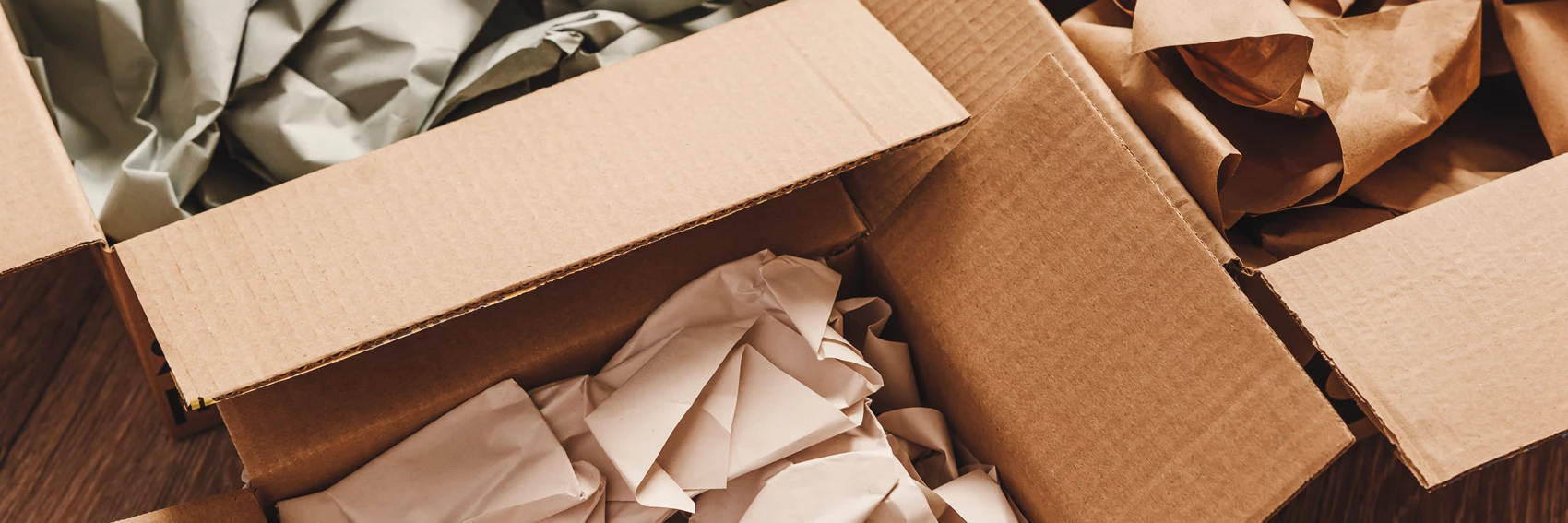
    • Kraft paper – this comes in a variety of types dependant on the requirement

    Pro tip – Provide clear guidance on how your customers can recycle or reuse your packaging. For example you could suggest customers use cardboard or kraft paper packaging to cut out shapes or fold patterns for children, as an extra source of entertainment. Alternatively, you should ensure you tell your customers how to recycle void fill effectively in their home recycling.

    Reusable void fill
    Reusable materials are able to be used more than once. 

    You could choose from a variety of reusable void fill options like:

    • Polythene air cushions – these aren’t the most ideal option for the environment, however they are reusable as long as they are inflated
    • Moulded pulp 
    • Kraft Paper void fill

    Pro tip – Tell your customer that their void fill is reusable and ask them to share how they’ve reused it on social media. This is great for user generated content and will help with marketing and brand awareness.

    Why use paper void fill?  
    Did you know that paper can be recycled up to 6 times, whereas only 9% of all plastic is recycled? This highlights the importance of choosing the right materials so that your packaging has a positive impact on the environment and your company’s reputation. 

    As a result of paper’s recyclability, along with its flexibility for most packaging solutions, it’s a great void fill alternative. So why should you use paper void fill?

    It boosts quality and value
    Using products like tissue paper can be easily customisable, as well as recyclable making them a great planet saving option, while being able to boost customer experiences. Research shows that consumers prefer the use of paper as it’s a sign of a high quality product, as well as branded paper helping to increasing customer retention. 

    Adding on to this, paper void fill can help elevate consumers’ unboxing experience giving your brand a premium feel. Read our blog to learn more about giving a great unboxing experience.

    It’s an easy replacement for single use plastic
    Replacing single use plastic with paper is a great way to reduce your company’s negative environmental impacts. Swapping poly bags with paper bags can help reduce your carbon footprint, and can be just as weather resistant and highly protective as plastic poly bags.  

    A great example of this is many companies using paper mailing bags instead of polythene. These bags are still weather repellent whilst also being recyclable and made from responsibly sourced materials.   

    It’s a robust and easily moldable solution for most packaging 
    Paper void can be crimped and creased to provide both protection and void fill, alongside absorbing shock and eliminating movement in transit.  

    Putting the ‘cycle’ in recycling for a leading bike manufacturer
    Here at Titan we work with various clients to produce the best possible packaging solutions. Due to this, many of our clients have benefited from successful sustainable solutions. 

    For example, our work with a leading British bike manufacturer has not only been beneficial for them but also for us, as we were shortlisted for the UK 2022 Packaging awards, as a result of our work together. 

    We worked with the bike company to re-imagine their packaging to help further protect their products, while making it 100% recyclable. The solution involved the courier carefully unboxing the bike for the customer and then recycling the packaging. This gave the customer a truly unique experience without having to find a way to get rid of the cardboard. 

    We also used our logistics and operations to ensure the bike manufacturer had the right amount of packaging without wasting any packaging. 

    To learn more about the British bike manufacturers success, read our blog. 

    How Titan can help you switch to sustainable void fill

    Here at Titan we value doing the right thing and putting people first with packaging requirements at a close second. Due to this we aim to perfect your packaging through positive progression, rather than being innovative for the sake of it.

    Get in touch with us today to see how we can help make you re-imagine your packaging solutions.


  • Void fill – everything you need to know

    Void fill – everything you need to know

    Whether you’re a packaging manager for a retail company, or you’re an owner of an eCommerce store, you’ve likely had to get involved in the big world of packaging and everything that comes with it. 

    From your product packaging, straight through to the packaging used for transit, it is vital this isn’t put on the back burner. After all, according to Armcor, 34% of packaging-related returns result in product damage, and 57% of customers expect a full refund if their package arrives damaged.

    If you’re looking for ways to protect your products, while providing excellent customer service, then using the right void fill solution will  ensure your product arrives in perfect condition every time.

    What is void fill? 

    Void fill is used to fill empty spaces within packaging, helping to keep products in place without movement and so reducing the risk of damage. 

    Types of void fill 

    Void fill comes in a vast range of materials, including:

    Paper void fill –  This is an affordable and easy to use option that’s both recyclable and compostable. Its available in many different options depending on the requirement.

    Air bags – These are a fast and efficient way to fill space in your packaging. They are  inflated just in time saving space in the packaging operation. Options include fully recycled material and biodegradable films. 

    Starch based Loosefill chips – These are a great biodegradable option, however they can make a mess when customers open their packages. As they are starch based they can also attract rodents.

    Carton shreddings – This is another great sustainable void fill possibility reusing old boxes to provide a void solution, however this can be dusty and means the boxes aren’t recycled or reused. 

    Foam-in-place – This expands around your product to provide a custom protective fit.  However it is both  very expensive and  damaging to the environment, is difficult to dispose of and cannot be reused.

    Sustainable void fill 
    There are a variety of sustainable void fill products available for you to choose from, such as:

    • Biodegradable void fill – Biodegradable void fill is capable of being decomposed by bacteria or other living organisms, helping to reduce air pollutants. This type of void fill can come in the form of starch-based packing peanuts and shredded paper.
    • Recyclable void fill – Recyclable void fill is capable of being converted into reusable material. Examples of recyclable void fill include, air pillows, corrugated cardboard and kraft paper.
    • Reusable void fill – – Reusable void fill can be used more than once and include options like, polythene air cushions, moulded pulp and shredded cardboard.

    When should void fill packaging be used?
    When protecting products

    People often assume that void fill is only required when protecting fragile items, however there are so many other items that void fill can help protect. 

    For example, customers may have ordered a new set of pans or multiple sized items. Void fill would be appropriate in this situation to prevent dents and scratches being made during transit. This in turn helps provide great customer service, as customers are receiving their products in the exact condition they’re expecting them to come in.

    So you can provide a great unboxing experience
    Void fill doesn’t just have to be used for preventing damages but can also be used to boost your unboxing experience. It’s not just the exterior packaging presentation that matters. You want to give a bit of wow factor when your customers open their packages. 

    Using attractive void fill options can go a long way in showing your customers that you care about the quality of delivery and the way they experience your products.

    Furthermore, loose fill peanuts are also great for being reused for coarse fishing or  around the home. Watch this video of a cat playing with them to see one of the many benefits of using void fill.

    To limit damage on your packaging and products 

    Using cardboard to protect heavy or sharp edged items can lead to your packaging being damaged, which as we’re sure you’ll agree isn’t a great look and will provide bad customer service. 

    However, this is where void fill comes in handy, as it can cover those sharp edges, preventing any damage to your packaging. There are a few things to choose from, with some being more practical than others. However not all void fill products are sustainable, meaning you may want to look for recyclable options instead.

    We worked with FairFax and Favor to help them to help make the inside of their packaging recyclable. The company moved away from using bubble wrap to protect customers’ products and switched to using paper void fill instead. This has helped the company make all of their outgoing packaging 100% recyclable, while improving their customer’s experience with their brand.

    When using void fill you should also consider:

    Weight, size and fragility of products
    When choosing the right void fill you want to consider the weight, size and fragility of your products. 

    You want to consider using void fill that doesn’t add lots of extra weight to your packaging as this can increase your shipping costs and add extra pressure to your fragile products.

    What material is right for you 
    Another factor you want to think about is what materials are best for your products and brand. This can include:

    • Avoiding void fill that adds a lot of extra weight to your packaging. You should choose materials that don’t add too much extra weight to your packaging due to increased shipping costs and risk of damage. 
    • Avoiding overpacking as this can also increase the risk of damage.

    Using void fill effectively
    Not every product requires void fill, and if it does, you should consider sustainable alternatives, to help save the planet. If you’re unsure on where to start, you may benefit from bringing in a packaging consultant. 

    Furthermore, it may be beneficial to tell your customers whether your void fill options are sustainable or not, as it can sometimes be confusing when it comes to getting rid of your packaging. 

    Here are a few ways you can effectively use void fill:

    • Only use void fill to fill gaps between your packaging and products
    • Always ensure the box is the correct size so the void fill is not overused. 
    • Use different packing techniques to prevent products from moving around during transit. 

    Optimise your packaging process with Titan Packaging 
    Here at Titan we’re a dedicated group with shared values all centred around doing the right thing and putting people first, with packaging requirements a close second! We also understand that packaging can cost the customer and the planet more than it should, which is why we have worked with clients that want to improve their packaging sustainability.

    Get in touch with us today to see how we can transform our packaging solutions.


  • EPR and Packaging – Everything You Need To Know

    EPR and Packaging – Everything You Need To Know

    If you’re a UK organisation that deals with packaging, you may have come across the phrase ‘EPR’.

    As the UK Government continues to introduce measures to limit waste and plastic usage, businesses must do all they can to comply with these ever changing regulations. 

    In this blog article, you’ll find out everything you need to know about EPR.

    What is EPR? 

    EPR stands for Extended Producer Responsibility and is a policy approach that requires producers to take responsibility for the entire life cycle of their products, including their disposal or recycling processes. 

    What is the purpose of EPR? 

    EPR primarily focuses on reducing the environmental impact of packaging waste in the UK and helps businesses focus on their packaging waste, encouraging them to consider the negative impacts they have on the planet.

    If you produce large amounts of packaging waste you are likely to pay higher packaging fees. However if you make a conscious effort to improve your environmental reputation then packaging fees may be reduced. 

    How to implement EPR

    If you strive to ensure your packaging is sustainable and delivers the very best customer experience, then ensuring your packaging is EPR compliant is a natural part of the packaging process. 

    Conduct a packaging audit 

    Packaging audits are a great way to understand how much packaging your company is wasting, allowing you to take responsibility for the impact you have on the planet. 

    When it comes to starting that all important audit, ask yourself the following questions: 

    • What’s your goal? Are you looking to remove plastic or non-recyclable packaging completely or are you aiming to reduce your plastic usage? You should also consider what time frame you want to do this by.
    • What percentage of your total packaging contains plastic or non-recyclable materials? You should look into your supply chain as well as the packaging you use.
    • What plastics or non-recyclable materials are you using? Get to know what plastics you’re using. Do you understand the impacts they have on the environment and are there any sustainable alternatives you could use?
    • What are your competitors doing? Understanding who your competitors are is a great way to identify where you can improve or if you’re doing better than them.
    • What type of plant-based packaging should you be using? Using plant based packaging is a great biodegradable packaging option. However there are multiple plant-based packaging options you can choose from. For example plant based materials created through food waste is a better option than using materials that were specifically grown for packaging use.
    • Is it feasible for you to use refillable or reusable packaging? If you sell products that could benefit from refillable or reusable packaging, this is a great way to reduce your packaging waste.
    • Are you able to re-imagine your packaging? For example if your packaging could be reduced in size or you could use more sustainable materials then this is a move you should consider making. This will also impact how you’re affected by Plastic Packaging Tax as reducing the amount of plastic you use could decrease how much you pay for your packaging.

    Evaluate your packaging design

    Evaluating your packaging design is extremely important as it helps you understand whether your packaging is sustainable, recyclable and provides a great customer experience. 

    Sustainable packaging is the sourcing, development and use of packaging solutions that have minimal environmental impact and footprint. 

    The Sustainable Packaging Coalition (SPC) says that for packaging to be considered as sustainable, it should be:

    • Beneficial, safe and healthy for individuals and communities throughout its lifecycle.
    • Meets market criteria for performance and cost.
    • Is sourced, manufactured, transported and recycled using renewable energy.
    • Optimises the use of renewable recycled source materials.
    • Manufactured using clean production technologies and best practices.
    • Is physically designed to optimise materials and energy. 

    It’s important to remember that sustainable packaging and packaging that delivers exceptional customer experience doesn’t have to be mutually exclusive. With the right packaging partner, you can design packaging that meets a multitude of goals. 

    For example, our work with a leading British bike manufacturer allowed us to create a bespoke packaging solution involving a fully recyclable, plastic-free packaging solution that would protect their pre-built bikes. Our solution led to us getting nominated for two awards

    Implement a packaging process

    Once you’ve got your design sorted, it’s time to implement a packaging process that will help you reduce your packaging waste. Before you launch your packaging process, you should consider the following: 

    • Think about why you’re implementing a packaging process – Understanding why you’re implementing a packaging process is essential to being able to create a strategy for your business. 
    • Do some competitor research – What your competitors are doing? Can you learn from them or is there an opportunity? 
    • Who’s leading the transition in packaging sustainability?
    • What factors are influencing positive change within the packaging industry?

    Benchmark where your company is currently at

    Understanding where your organisation is at in terms of packaging waste will help you identify areas of improvements and how you can meet your goals. 

    You should ask yourself the following questions: 

    • What types of materials do we currently use in our packaging and what ones have a negative impact on the environment?
    • What percentage of our packaging is recyclable, compostable or reusable?
    • What percentage of recycled materials is used within our packaging?
    • What carbon footprint does our packaging have?

    Set your sustainability targets

    Once you’ve figured out where you’re at and where you want to be it’s time to set your targets. 

    Targets can include:

    • Reduced packaging weight.
    • Increased recycled content.
    • Increased percentage of recycled materials within packaging.

    Creating targets that are achievable yet aspirational and timely is a great way to try and get yourself ahead of your competitors. 

    Ensure you share your strategy with the rest of the business

    Once you’ve created your strategy, it’s important to share it with the rest of your team to ensure everyone understands what the company is trying to achieve. You want to make sure you share your strategy in an inspirational way to help encourage all employees to get involved with making your aims achievable, and ensure the right size packaging is being used every time.  

    Report and measure your progress

    Reporting on your progress is an important step to take when it comes to understanding whether you’re on track to achieve your goals or whether you need to introduce new steps into your strategy to help you meet them. 

    Ways you can measure success, include:

    • Talk to your supplier to encourage positive changes within their packaging portfolio.
    • Measure how much recycled materials you use.
    • Collaborate with packaging companies to help you design more sustainable and recyclable packaging.
    • Keep up to date with emerging technologies.
    • Share progress reports internally and externally.
    • Regularly review any challenges you’re facing and ways you could overcome them.

    Deliver internal education and training 

    Training and educating staff around EPR (Extended Producer Responsibility) is extremely important as it helps to spread awareness externally as well as internally. This could be through staff discussing EPR with family and friends or them trying to implement being more sustainable in their home lives as well as work lives.

    Training could take form as:

    • Training days.
    • Watching videos about what EPR is, how it works and how you can implement it.
    • Reading guides and industry updates. 

    Introduce EPR with Titan today

    EPR has huge impacts on both companies and the planet as it encourages businesses to reduce their packaging waste and introduce more sustainable materials into their businesses. 

    It’s important to take responsibility for the negative environmental impacts your business has so that you can start to make a conscious effort to take a more sustainable approach to your business efforts. 

    Get in touch with us today to see how we can help you make the right sustainable packaging solutions for you and the planet.

  • How Does EPR Support Sustainability?

    How Does EPR Support Sustainability?

    Sustainability. It’s become a top priority for businesses across the globe, no matter their size. Naturally, as conversation surrounding climate change proliferates, the packaging industry is placed under a microscope. And it makes sense. 

    According to Recycle Track Systems, it is thought that there’s currently 75 to 199 million tons of plastic waste in our oceans, and a further 33 billion pounds of plastic will enter the marine environment every single year.

    The reality is, more needs to be done to mitigate the impact that plastic and human activity has on the environment, so that we can protect the earth and create a safe world for future generations.

    EPR – promoting sustainable packaging 

    One way to do this is through the introduction of EPR. The acronym for Extended Producer Responsibility, the goal of EPR is to reduce the environmental impact of packaging waste in the UK. 

    EPR encourages business owners and manufacturers to take accountability for the negative impact the lifecycle of all of their products have on the planet, and a big part of this is packaging. 

    Reducing waste with EPR 

    A key way EPR does this is through the reduction of waste. EPR strategies helps manufacturers and business owners design packaging that’s Plastic Tax compliant, recyclable and in some instances can be reused. 

    This has a direct impact on the amount of waste that ends up in landfill, which in turn reduces environmental impact. 

    Designing sustainable packaging with EPR 

    Evaluating your packaging design is extremely important as it helps you evaluate whether your packaging is sustainable, recyclable and provides great customer experience. 

    Sustainable packaging is the sourcing, development and use of packaging solutions that have minimal environmental impact and footprint. 

    The Sustainable Packaging Coalition (SPC) says that for packaging to be considered as sustainable, it should be:

    • Beneficial, safe and healthy for individuals and communities throughout its lifecycle.
    • Meet market criteria for performance and cost.
    • Is sourced, manufactured, transported and recycled using renewable energy.
    • Optimises the use of renewable recycled source materials.
    • Manufactured using clean production technologies and best practices.
    • Is physically designed to optimise materials and energy. 

    The advantages of sustainable packaging

    Implementing sustainable packaging into your business has many advantages, including:

    • Expanding your customer base and customer loyalty – 78% of consumers are more likely to remember a company with a strong purpose, highlighting the importance of improving your company’s sustainability processes.
    • Improved storage – reducing packaging materials and waste will help to make storage more efficient.
    • Lower shipping costs – Reducing your packaging sizes should help reduce your shipping costs as it tends to cost less to send out smaller packages. 

    Types of sustainable packaging

    Sustainable packaging can come in various forms, such as:

    • Plant-based packaging – made out of things like mushrooms, seaweed and food waste. 
    • Edible packaging – is made from similar materials to plant-based packaging, however edible packaging is safe to eat. 
    • Plantable packaging – contains seeds within their packaging so you can plant them rather than throwing them away.
    • Compostable and biodegradable plastic alternatives – these are usually made from plant-based polymer that can break down in compost. 

    How implementing EPR could affect the Plastic Tax

    The Plastic Packaging Tax aims to reduce the amount of non-recyclable plastic usage ending up in landfill as well as helping to reduce carbon emissions. 

    The plastic tax will affect businesses of all sizes that use plastic packaging. If your company uses over 10 tonnes of plastic a year then you will need to register with HMRC.

    Those importing or manufacturing plastic in the UK will be charged £200 per metric tonne of plastic packaging that contains less than 30% of recycled plastic. 

    The plastic levy (plastic tax) should increase the demand for recycled plastic, therefore reducing the amount of plastic in landfill sites. 

    Implementing EPR into your company through using sustainable packaging could help reduce your plastic tax or even remove it completely if you don’t use any plastic at all. Moving to more sustainable packaging won’t just save the planet, but will save your pocket too!

    Become EPR compliant with Titan Packaging 

    EPR has huge impacts on both companies and the planet as it encourages businesses to reduce their packaging waste and introduce more sustainable materials into their business. 

    It’s important to take responsibility for the negative environmental impacts your business has so that you can start to make a conscious effort to take a more sustainable approach to your business efforts.

    Get in touch with us today to see how we can help you make the right sustainable packaging solutions for you and the planet.

  • 7 Sustainability Packaging Tips For Your Business to Follow In The New Year

    7 Sustainability Packaging Tips For Your Business to Follow In The New Year

    With 2023 a mere few weeks away, many business owners are thinking about how they can reduce their carbon footprint and overall impact on the planet. And it makes sense. 

    When an organisation strives to decrease their emissions and work towards becoming carbon neutral, it has a huge impact on the planet, and can hugely improve a business’s profitability, culture and brand awareness. 

    From sourcing sustainable and cost-effective materials without compromising on quality, to ensuring the entire packaging process aligns with their Corporate Social Responsibility (CSR) scheme, at Titan Packaging, we’ve helped several companies transform their packaging process. 

    Here are seven ways you can make your company’s packaging process more sustainable in 2023. 

    Properly specify the materials needed

    When organisations correctly specify the materials needed in their packaging process, they can save money, reduce waste and decrease impact on the environment. 

    If you’re over-specifying, such as using a thicker stretch wrap than needed, more CO2 is used during the manufacturing process and more transportation is needed because thicker wrap takes up more space. 

    However, when you under specify, it leaves you at risk of items being damaged during transit, which then impacts overall wastage and returns rates (requiring further transport), therefore negatively impacting the environment. 

    According to Sustainable Packaging News, when businesses specify the right plastic, they could reduce their plastic usage by 45,000 tonnes a year, helping to save money, eliminate unnecessary waste and cut CO2 output. 

    When organisations get the balance right, carbon emissions decrease drastically.  

    Get the size right

    Similarly to over and under specifying materials, if you haven’t got the right size packaging and boxes, you’ll be increasing your carbon footprint as you may be using more void fill, as well as additional transportation and returns. 

    You may have experienced an instance where a company has sent a tiny product in massive boxes full of void fill, or they’ve tried to wedge a product in a box that’s a size too small.  This lack of care can cause an increased risk of damage to products or items. Ultimately, it can have negative repercussions on brand awareness. 

    In an ideal world, you should try and get the right size packaging in order to protect products, reduce returns rates and overall impact on the environment. 

    But unlike Goldilocks, finding the ‘just right’ solution isn’t always an option for some companies. For many, storage space is at a premium. 

    In order to get it right the first time, we recommend performing a full packaging audit so we can determine the range needed, which will inform the best packaging solution.

    Find out more about how to effectively package your products.

    Choose responsibly sourced cardboard and paper

    It’s thought that 12.5 million tonnes of paper and cardboard are used in the UK every year, and 2.8 billion parcels were sent across the UK in 2021. If this cardboard doesn’t come from a sustainable source, or isn’t recyclable, then you’re contributing to a huge wastage problem.

    When it comes to packaging, cardboard is ubiquitous, and choosing responsibly sourced cardboard
    is one of the easiest ways for a company to move towards carbon neutrality. 

    Opt for recyclable plastic over biodegradable and compostable 

    If you’re using biodegradable or compostable plastic, you should consider switching out to recyclable plastic. 

    This is because only 10% of people know how to, and have the resources available to effectively compost at home. This means a significant amount of biodegradable and compostable plastic ends up in landfills, releasing methane. 

    However, choosing non-virgin, recycled plastics that contain at least 30% recycled material is a great alternative (and will ensure you’re in line with the plastic packaging tax). Plastics such as Polyethylene Terephthalate (PET), High Density Polyethylene (HDPE), Low Density Polyethylene (LDPE) and Polypropylene (PP) with clear instructions on how to properly dispose of them can help reduce overall impact on the environment. 

    Move towards closed loop recycling 

    If you can start putting things in place to move towards closed-loop recycling, you’ll be enhancing the lifecycle of materials through reuse, and reducing overall impact on the environment. 

    When a product or material is used and then turned into a new product or material without losing any of its properties during the process, it’s referred to as closed-loop. 

    In 2020, sports and fashion brand Adidas began championing closed-loop recycling after admitting they massively contributed to the plastic problem the world’s facing. 

    Through their Social Plastic Programme and Three Loop Strategy, they’ve promised to eliminate virgin polyester in favour of upcycled plastic waste across all products and packaging. 

    In the wise words of Justin Timberlake, ‘what goes around comes around’, and when it comes to closed loop recycling, this is actually a good thing. 

    Look at your suppliers 

    If you’re using several suppliers for your packaging, or sourcing materials from across the globe, you’ll be increasing your carbon footprint (and adding extra admin work!). 

    It’s also important that you work with suppliers who align with your CSR and modern slavery policies.

    During peak times, you may find that having to  rely on several suppliers to get polythene, stretch wrap, boxes, tape and other materials for when you need them is akin to herding kittens!

    All it takes is an issue with dispatch, quality issues or materials not working together and you’re facing delayed delivery times, damage in transit and even loss of business. 

    When you choose to go through a single source supplier, you can save money, reduce admin and streamline deliveries. 

    This is because single source suppliers such as Titan Packaging have the data and insight needed to make informed decisions. From forecasting to scheduling deliveries when you need it, and holding contingency stock for unknown challenges, (freeing up your own warehouse space), it all helps you build a more sustainable future. 

    Implement packaging automation

    Introducing automation into your packaging process can help reduce material waste, and minimise carbon emissions throughout the entire value chain. 

    For example, autoboxing machinery ensures the right sized boxes are used for products and either eliminates or reduces the volume of void fill needed. This saves on material cost and parcel weight cost, and creates a much nicer unboxing experience for your customers.  

    Implementing the correct automation also reduces human error within the packaging process, this can be something such as introducing tape machines to ensure each box is taped universally and securely or a completely automated process where conveyors intercept and sort products into a bagging or boxing machines using just the right size of material without waste or void fill.  

    Sustainable packaging with Titan 

    No matter how big or small, retailers and ecommerce companies have to juggle quick packaging timeframes, with rising costs and record delivery times. 

    And as customers place more pressure on brands to meet all of this whilst prioritising sustainability, getting the balance right can feel impossible. 

    At Titan Packaging, we’ve got years of experience in delivering sustainable packaging consultancy and supply  to brands across the globe. 

    Using the latest packaging technology, automation and machinery, we can help you deliver a truly exceptional packaging experience.

    Get in touch and find out more.

  • Polythene Packaging – The Good, The Bad & The Ugly

    Polythene Packaging – The Good, The Bad & The Ugly

    Plastic packaging originally started getting popular in the 1960s and has now become a part of many products in our everyday life. Despite this, the negative impacts of plastic packaging on our planet are immense. In 2021, 2.5 million metric tonnes of plastic packaging waste was generated in the UK. 

    But with plastic being an integral part of our lives, is it really that bad, and what can businesses do to reduce their impact?

    The impact of plastic on the environment

    When plastic packaging isn’t properly disposed of, it harms wildlife, fills the sea or produces toxins as it decomposes. 

    A common focus of reducing our impact on the environment is to reduce our plastic waste. However, manufacturers are now developing plastic in new ways, meaning they’re easier to recycle and have a lower impact on the environment.

    For example, polythene plastic can be recycled, helping businesses to reduce their impact on the environment. Currently, in the UK, 2,229,000 tonnes of plastic is sent to be recycled each year. At the same time, 1,155,000 tonnes of plastic is sent to be incinerated and put in landfill each year. What’s more is that compostable and biodegradable packaging further add to this problem.

    Plastic packaging and green washing 

    Earlier this year, an article by The Guardian revealed that only 10% of people can effectively compost at home, which means 90% of compostable plastics end up in landfill, where they slowly break down, releasing methane. 

    Because biodegradable and compostable plastics require specific processes to break down, they often end up in landfill. 

    Professor Mark Miodownik, part of University College London’s Plastic Waste Innovation Hub, believes that brands marketing the use of compostable and biodegradable plastic will end up facing backlash from the public. 

    “I think if people continue to market home compostables, it’s greenwash. Before it was unclear, but now we have the evidence. People are making claims for material without much understanding of what has to happen in order for it to actually be biodegradable.”

    But when a brand makes commitments to using recycled materials and leans towards closed-loop recycling, they’re paving the way for a more sustainable future. 

    It’s time to stop giving plastic a bad wrap

    It’s no secret that manufacturers and organisations across the world need to do more to minimise the impact that plastic has on the environment. And with so much negativity surrounding polythene packaging, it often ends up vilified by the media. 


    However, when companies specify the right plastic, they could reduce their plastic usage by
    45,000 tonnes a year, helping to save money, reduce unnecessary waste and cut CO2 output. 

    From adding recycled content to their mailing bags, reducing the thickness of plastic used, and looking at whether it is possible to bring closed loop recycling in, there are many ways to improve plastic usage without compromising on product quality or brand integrity. 

    The reality is, there are some applications where cardboard and paper just won’t cut it. And when specified properly, there are some instances where recyclable plastic may be better for the environment. 

    Plastic – the hidden hero for food waste 

    Keeping your food fresher for longer is extremely important as the UK wastes 9.5 million tonnes
    of food each year, yet 8.4 million people in the UK are in food poverty.

    A lot of food waste comes from poor stock control in restaurants and supermarkets, where more stock is ordered than they can sell. Additionally, supply chain issues can cause delays in delivery, impacting sell-by and use-by dates.

    Due to this it’s important that companies are investing in the right plastic packaging to ensure food lasts longer (which helps reduce food waste).

    From being lightweight which means more can be transported in one journey (saving on carbon emissions and costs), to reducing food waste as it keeps food fresher for longer, plastic brings a lot of advantages. Brands just need to get it right. 

    Creating a more plastic-positive future

    Every year, roughly 300 million tonnes of plastic is wasted worldwide. But there’s a lot of research and commitment to creating a more sustainable future where plastic has a more positive place.  

    For example, The waste management company Biffa has invested £27.5 million into a new state-of-the-art PET plastic recycling facility in Seaham. The plant can convert 57,000 tonnes of material per year into high-purity plastic pellets to be sold on to other manufacturers. 

    The plant in Seaham is a positive start to the UK’s journey in providing sustainable solutions to recycling plastic. 

    And despite plastic having significant negative impacts on the environment, there is one unlikely hero in the packaging world. The wax worm has saliva containing enzymes that break down plastic in a matter of hours. 

    A journal published by Nature Communications states that the enzymes in wax worm saliva can degrade polythene, which is commonly used in plastic bags and other packaging materials. 

    With polythene making up 30% of all synthetic plastic production, wax worms could have a significant impact in the way we break down plastic, as plastic doesn’t need an aggressive pre-treatment involving heat to start the breaking down process. 

    How to get sustainable plastic packaging right 


    Introduce a recycling policy
    If you want to champion sustainability and corporate social responsibility (CSR) within your brand, it needs to become part of your company values. One way to do this is by introducing a clear recycling policy. 

    This will help you understand the amount of plastic you’re using, what can be recycled, what can be reused, and if there are materials you can’t recycle or repurpose, you can then look at alternatives. 

    Understand the plastic packaging tax 

    However, using plastic within your packaging may incur a plastic tax. If you deal with over 10 tonnes of plastic a year, your company must register with HMRC. 

    Any company that is manufacturing or importing plastic into the UK that contains less than 30% recycled plastic will be charged £200 per metric tonne of plastic used. 

    Get to know the plastic waste process 

    Plastics can be organised into different waste streams. These include:

    • Manufacturing waste – scrap or rejected plastic
    • Packaging waste – bottles, caps and containers 
    • Redundant waste – raw materials and packaging
    • End of life plastic waste – automotive materials and wheelie bin recycling
    • Baled plastic film or hard plastic cases

    Waste management companies can help you assess how much plastic you use and the ways you can dispose of it.

    Educate and instruct your customers 

    You should also provide your customers with instructions on how to recycle your products, especially if they contain plastic. 

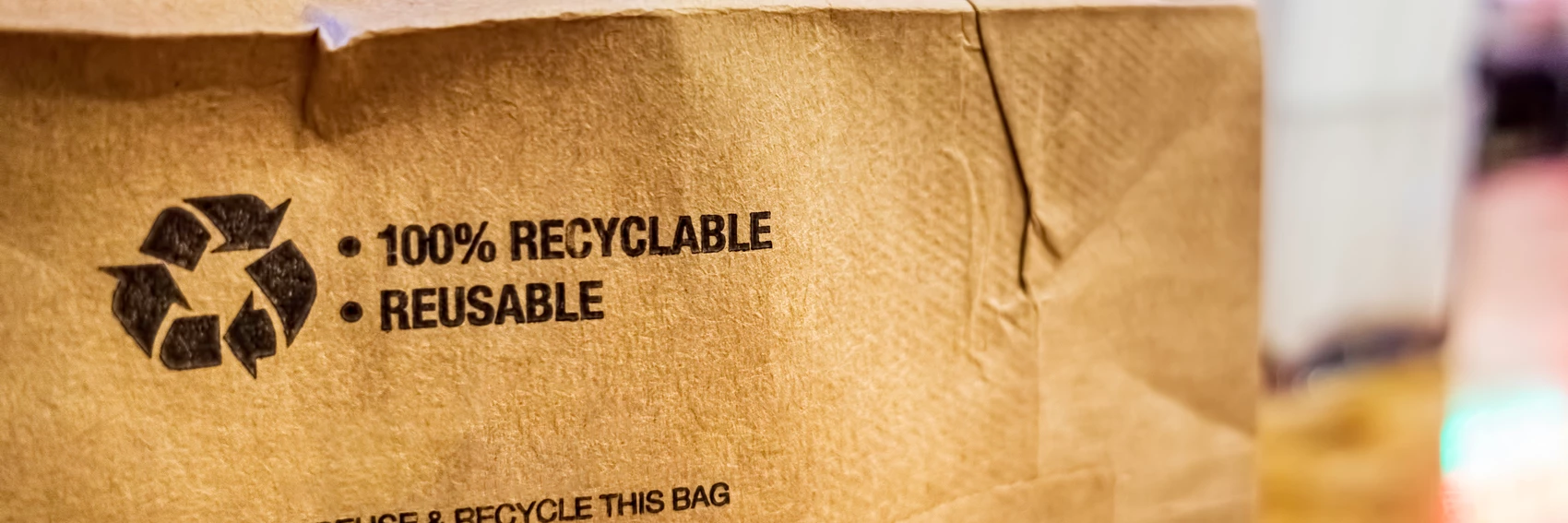
    Adding the recycling symbol is one of the easiest ways to indicate how packaging should be disposed of, and ensures that the recycling process will be continued outside of your company. 

    You should also specify whether the plastic is low density polythene (LDPE) or high density polythene, which can influence reuse and recyclability. 

    To learn more about how Titan packaging can help you choose the right polythene packaging for your businesses, contact us today!

  • Everything You Need to Know About Pallet Stretch Wrap

    Everything You Need to Know About Pallet Stretch Wrap

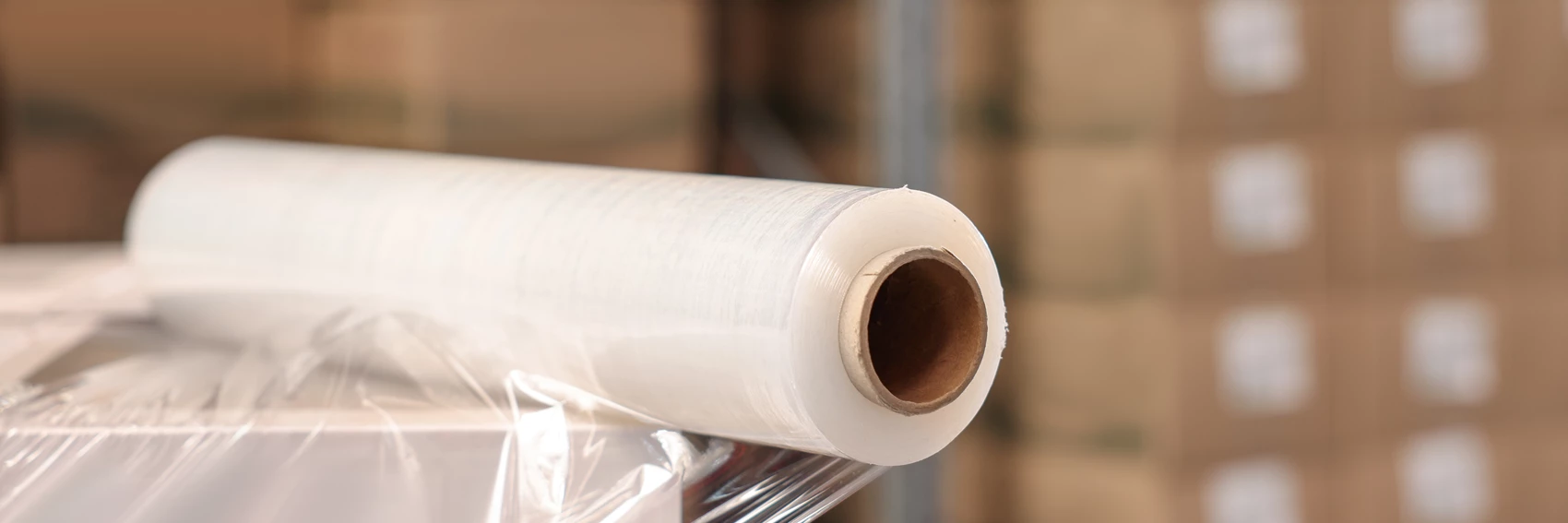
    Pallet stretch wrap (also known as stretch film) is vital for any organisation looking to secure their products securely on pallets without damaging them. 

    It is thought that businesses use 150,000 tonnes of stretch wrap a year. And more often than not, companies fail to recycle stretch wrap, and it ends up in landfill. 

    With consumers now holding companies accountable when it comes to sustainability and carbon neutrality, it is important for companies to choose the right stretch wrap to help make their business operations more sustainable. 

    One way businesses can reduce waste, cost and materials used is by choosing the right stretch wrap. 

    What is stretch wrap?

    Stretch wrap is made from plastic, and is an extremely stretchable film that is used to wrap pallets to prevent product loss, help protect products from water damage, tampering and reduce staff injuries. 

    The importance of choosing the right stretch wrap

    The importance of specifying the right stretch wrap cannot be understated. According to SP News, companies can reduce their plastic wrap usage by 45,000 tonnes per year when they correctly specify their plastic wrap. This will save money and reduce both plastic wrap and Co2. 

    It’s important to think about your environmental impact, as this affects the planet as well as  your business. 

    Companies that import or use more than 10 tonnes of plastic a year will be applicable to plastic packaging tax. Any businesses importing plastic packaging containing less than 30% of recycled plastic will be charged £200 per metric tonne.

    Find out more about plastic tax.

    How to choose the right stretch wrap

    Choosing the right stretch wrap to protect your products is extremely important. Below are some factors to consider when choosing what stretch wrap to use.

    • Do you need single or two-sided cling?
    • How many pallets are you wrapping? 
    • Can you store the pallets in a cool, dry warehouse? 
    • How often will you be wrapping? Do you need a machine?
    • What tear and puncture resistance do you need? 
    • How thick do you require the wrap?
    • Can you afford to make noise pollution during the wrapping process?
    • Do you want the wrap to be see-through, milky  or coloured for example, blue or black?
    • What is your load profile and height? Is this consistent?
    • Do you want a standard or extended core and will you need a dispenser?
    • Do you require at least 30% recycled content?

    The different types of  hand stretch wrap

    There are different types of stretch wrap businesses tend to use: 

    Cast strength film 

    Cast stretch wrap is made from thermo-plastic material and is much glossier in comparison to blown stretch wrap. It requires less force to make it stretch and clings more to products and pallets.

    Advantages of cast stretch wrap

    • You’re able to see wrapped products as it is more transparent than blown
    • Cast stretch wrap clings on both sides, making products  secure
    • Unwinds quietly compared to blown stretch wrap

    Disadvantages of cast stretch wrap

    • Has less of a holding power than blown stretch film and doesn’t have tackifiers to give the ‘stickiness’ which blown film has
    • More likely to tear compared to blown stretch wrap

    Blown stretch wrap

    Blown stretch wrap is made through a blown extrusion process and is crystalised. As a result, it is stronger and more resilient than cast stretch wrap.

    Advantages of blown stretch wrap

    • Able to hold a heavier load 
    • Able to stretch more,  making products more secure
    • Suitable for cold environments
    • Less likely to tear, with high puncture resistance,  protecting products with sharp edges.

    Disadvantages of blown stretch wrap

    • Blown stretch wrap is crystalised, making it hard to see wrapped products due to its milky colour.
    • Unwinds louder than cast stretch wrap

    Pre Stretched Wrap

    Pre Stretched film is becoming more and more  popular amongst businesses as they look to reduce their plastic usage. 

    Using Pre Stretched film can help to reduce both film usage and core wastage by 50%. This is due to companies being able to obtain longer roll lengths, for example 600 metre rolls instead of 300 metre rolls, meaning operators don’t need to replace them as often.

    Furthermore, Pre Stretched film is stretched during the manufacturing process, meaning you don’t need to use a lot of tension during the application process. The film is also much thinner than other films and therefore, is  more efficient during application.

    The importance of application 

    How you apply stretch wrap is just as important as the type of stretch wrap used. There are three ways you can do this: 

    • Manually applying stretch wrap – this is physically demanding and takes a lot of time
    • Semi-automatic machinery – this reduces some of the time and physical exertion in comparison to manual
    • Automatic machinery – automatic machinery is expensive but eliminates any physical activity, reduces time and ensures the wrap is properly applied  

    When budget allows, stretch wrap machinery eliminates any human error, increases efficiency and ensures consistency for every pallet wrapped. This also reduces any returns rates due to broken items, therefore enhancing positive brand awareness. 

    You should also always ensure your stretch wrap machinery is set up correctly with a free of charge stretch wrap audit. 

    Commonly used terms when talking about stretch wrap

    • LLDPE – Linear-Low Density Polythene
    • Elongation – refers to how much stretch wrap stretches. The higher the percentage, the more it stretches, meaning you use less stretch wrap.
    • Micron – the thickness of pallet wrap and is often written as mu. 
    • Blown Stretch Film- A stretch film made using the blown extrusion process that has a higher puncture resistance. 
    • Cast Stretch Film – A stretch film made using the cast extrusion process. Lower manufacturing costs makes cast stretch film to be the more widely used stretch film. 
    • Cling- Is where the film sticks to itself and not the product. You can get one sided or two-sided cling.
    • Co-extrusion- Extruding two or more materials through a single die making them merge.
    • Dart Drop- A test used to measure the puncture strength of a stretch film. It involves dropping a semi-circular shaped object onto the film.
    • Elastic Recovery- The ability of a stretch film to recover to its original shape after being stretched.
    • Film Force- The amount of tension applied to the film as the film when applied to the load.
    • Film Memory- The ability of the film to return to its pre-stretched form, allowing it to maintain a tight load during transportation.
    • Gloss- The amount of light reflected from a film’s surface. Cast stretch films tend to have a higher gloss than blown stretch films.
    • Haze- A lack of clarity in the film. Thicker plastic films generally have more haze than thinner films.

    How can Titan help you find the right stretch wrap?

    When you specify the correct stretch wrap you want to use, waste is reduced, money is saved and business improves.

    Talk to our packaging experts at Titan, to see how we can support you in your packaging process from start to finish. We’ll help your business make sustainable and cost effective packaging decisions while following plastic tax guidance.

  • How to Prepare for Peak Packaging Season

    How to Prepare for Peak Packaging Season

    As we enter the final quarter of the year, thousands of businesses across the UK are bracing themselves for the Christmas rush. 

    More than 40% of retail businesses has over half of their sales during the final three months of the year, and several eCommerce companies see their packing times drastically increase. In 2020, Courier Evri delivered 72 million parcels between Black Friday and Christmas. 

    With Cyber Monday, Black Friday and Christmas just around the corner, it is vital that business owners and managers have optimised the logistics, supplies and processes for their packaging, in order to cater to demand. 

    Look at previous performance 

    When it comes to packaging, historical sales data is invaluable. If you’ve got access to last year’s sales performance, it will give you insight into what could happen this year.

    Ideally, you should start this process as early as possible, so that you can put procedures in place before peak shopping season starts. If you wait to review year-on-year data in October or November, it will be too late. Instead, look at your data from as early as August to see if there are any peaks or troughs and make informed, data driven decisions. Fail to prepare, prepare to fail. 

    It might be worth mentioning about securing production capacity with us for the period too as lead times in the industry go out considerably.

    Review your packaging process

    If you’re expecting the volume of orders to increase during the festive period, it’s vital that your packaging process is streamlined so that you’re getting maximum output with minimal waste.

    Time is money, and if your packaging process is too long and you don’t have the right tools, machinery and resources, lead times, you’ll be at risk of losing customers to competitors.

    From reviewing pack benches, to ensuring materials are in the best place, and  looking at introducing wrapping machinery, strapping tools and tape dispensers, you can speed up the process, be more efficient, and therefore accommodate higher volumes. 

    Don’t forget about the plastic packaging tax 

    Earlier this year the UK government introduced a plastic packaging levy in a bid to reduce the amount of single use packaging imported into the UK. 

    Companies that manufacture or import plastic into the UK will be charged £200 per metric tonne of plastic packaging that contains less than 30% of recycled plastic. This will be the first Christmas period following this tax, so don’t get caught out. Companies that fail to comply may be fined or penalised. 

    Consider sustainable packaging materials 

    An eye watering amount of waste is created during Christmas, and tonnes of packaging materials end up in landfill. 

    During the Christmas period 125,000 tonnes of plastic wrapping used for food is discarded. We use around 227,000 miles of wrapping paper every year – that’s over nine times the circumference of the earth during. 

    We get through 300,000 tonnes of cardboard packaging during the festive period.

    However, you can reduce the amount of packaging that ends up in landfill by choosing sustainable packaging materials, such as responsibly sourced corrugate, recyclable polythene and recyclable void fill.

    If you want to ensure your packaging process is sustainable you could go a step further  and choose to partner with net zero couriers such as DPD, who deploy electric vehicles across their fleet in order to comply with the government’s Road to Zero Strategy.

    Be smart with your packaging 

    Millions of packages and parcels are transported during the Christmas period – it’s  important to ensure your packaging materials keep your products safe during transit. Your packaging budget will determine the materials, design and method of transport, but you shouldn’t ever scrimp on protecting your products from the moment they leave your premises.

    If items are damaged during transit, customers are protected under the Consumer Rights – the seller must take responsibility to rectify the situation if there is a problem with the item when it arrives.

    Here are a few ways to protect items and reduce your returns rate: 

    • Choose the right size packaging 
    • Train extra agency staff to use the correct packaging
    • Use cushioning such as void fill to protect fragile items 
    • Ensure packaging is watertight and waterproof to avoid water damage 
    • Train employees to load and unload packages from the vehicle properly and safely
    • Use the correct symbols for fragile items and items that should be stored a specific way up 

    Think about customer experience 

    Customer experience should always be at the forefront when it comes to deciding on packaging materials. You could even take this a step further and offer gift wrapping as an extra (creating another revenue stream). 

    If you want your brand to be renowned luxury, you could use Christmas to launch a premium unboxing experience.  One brand who does this really well is a high-end British luxury fashion brand, Fairfax and Favor. Their exceptional packaging has created brilliant impressions, with packaging getting its very own reviews online.

    Consider switching to a single source supplier 

    It’s commonplace for organisations to source their packaging materials from several different suppliers. 

    But more often than not, this means you’re working harder, not smarter. For example, if you’re getting cardboard from one supplier, pallet wrap from another supplier, and void fill from another, you’ll have to orchestrate different delivery dates and handle a lot of admin. 

    When you opt for a single source supplier to deliver the right packaging materials, streamline your packaging process and find a contingency solution that suits you, which is critical during peak periods. 

    Speak to our expert packaging consultants 
    When business owners prepare for Christmas, they’ll see the fruits of their labour and be able to meet increased demand.

    Businesses such as Titan Packaging will review your packaging process from start to finish and help you transition to a more sustainable, cost-effective packaging process that follows the plastic tax guidance.

    Speak to one of our experts.

  • Why Use A Single Source Packaging Supplier?

    Why Use A Single Source Packaging Supplier?

    To single source supply your packaging, or not to single source supply your packaging, that is the question. 

    From the COVID-19 pandemic that saw several companies transition to online business models, to organisations having to adapt to rising prices and strained resources following the war in Ukraine and cost of living crisis, business leaders have been tasked with the seemingly impossible. 

    They must streamline costs whilst hitting ever increasing targets and workloads whilst navigating unknown territories. 

    One way to alleviate these pressures, reduce costs, improve overall service and economies of scale is by consolidating your packaging materials and processes. 

    Improving packaging efficiency through single source packaging 

    From sourcing the right materials, to understanding the implications of plastic packaging tax
    and finding a logistics solution that works for your company, there are several components that go into choosing the right packaging for your business. 

    If you’re utilising several suppliers for your packaging, you’ll have more administration costs and inventory to juggle. 

    For example, if you’re getting void fill from one supplier, tapes and labels from a different company and cardboard boxes from another, you’ll have to orchestrate your delivery dates, and ensure your packaging materials work well together. 

    If these products don’t work well together, or there’s an issue with dispatch, it can lead to slower packaging times, delayed delivery times, damage in transit and even loss of business. 

    When you get your packaging materials from several different manufacturers, there will be instances where you have to order more pallets than you need so that you can meet minimum order requirements. However, should you choose a single packaging supplier such as Titan, you just order what you need, saving you money and storage space. 

    The benefits of using single source suppliers 

    When you opt for one company to source the right packaging materials, streamline your packaging process and find a contingency solution that suits you. Benefits also include: 
    Better cost savings 

    A single source packaging supplier can help you cut costs and save money on processes, distribution and reduced administration.

    Additionally, packaging consultants can support you from the moment you start your packaging journey, ensuring your packaging markets your product effectively and communicates your brand’s values. 

    From testing the right materials to protect your products during transit, to designing innovative packaging that sets you apart from your competitors, a single source supplier can reduce the likelihood of products damaged during transit. 

    When you have a clear view of how much everything costs from one supplier, you can set budgets and control costs, making it easier to scale and grow your business. 

    Reduced admin and improved Invoicing

    When you choose one supplier for all of your packaging needs, your accounts team won’t have to deal with several receipts and invoices from multiple suppliers. 

    This is because a single source supplier can combine all expenditure into a monthly single invoice. As a result, administration is reduced significantly and outgoing costs become much more manageable.

    Improved stock management and holding 

    Packaging materials require storage, and not every company has the space to hold the materials they need. 

    This is where single source packaging suppliers such as Titan Packaging come in. You can agree on a stock holding plan that works for you, freeing up valuable warehouse space for your stock. 

    Streamlined deliveries 

    If you choose several different suppliers for your packaging materials, you’ll have to orchestrate a lot of deliveries from different suppliers – if you have more than one location, you will need to manage this as well. 

    This also means different contacts and tracking information across various companies, which can be difficult to manage, especially if something goes wrong. However, with a one source supplier you have a single point of contact. As all your materials come from one supplier, it can all be delivered on one journey, reducing the amount of trips and vehicles on the road, helping to reduce your business’s carbon footprint. 

    Consistent materials and processes 

    Consistency plays a key part in customer satisfaction and loyalty, so it’s vital to ensure you have good quality packaging that protects your products and survives transit. 

    However, consistency is difficult to manage if you’re using several distributors and have no transparency surrounding packaging stock. 

    For example, if you’re a retailer managing your business across several different locations, one shop may be ordering branded packaging from a national distributor, whilst another one purchases boxes and tape from a post office. This means your brand isn’t delivering the same experience and quality of service to every customer. 

    When you opt for a single source supplier, you can rest assured you’re getting packaging materials at a competitive price, and every customer is getting the same packaging experience. This is critical if you’re striving to build strong brand awareness, pantones and great unboxing experience for your company.

    Efficient packaging processes

    When you choose to work with a consultant for all of your packaging requirements, you can streamline the process as they’ll have access to the latest technology and trends. 

    At Titan, we’ve seen first-hand the impact that poor packaging strategies have on a business. From creating bottlenecks to causing further delays and harming brand reputation, when packaging goes wrong, it can make or break a customer’s decision to buy from you.

    Whether you need a fully integrated automated packaging machine that will revolutionise the entire process, to low-cost, basic automation such as pack benches and conveyor belts, automated packaging systems can optimise efficiency, throughput and ultimately increase profitability and efficiency. 

    When you choose to partner with Titan Packaging, we’ll optimise your entire packaging process, ensuring all packers follow the same processes and have access to the equipment they need, making your packaging process as streamlined as possible. 

    Driving decisions through data 

    Data is incredibly powerful and can be used to further streamline your packaging process if you choose the right packaging consultant. 

    This is because one supplier will have all the information needed, saving you time having to scramble and gather all information from multiple suppliers – this is even more challenging if the right data isn’t being gathered. 

    When you choose to partner with single source packaging consultants such as Titan Packaging, you’ll have access to all the data you need so that you can forecast, report and make decisions with confidence. 

    Speak to our expert packaging consultants 

    Companies must evolve and remain agile to the ever-changing market. This means it can be difficult to find the right kind of packaging that works for your business. This is why choosing a single source supplier can help overcome this. 

    Businesses such as Titan Packaging will review your packaging process from start to finish and help you transition to a more sustainable, cost-effective packaging process that follows the plastic tax guidance.

    Speak to one of our experts.

  • What Can A Great Unboxing Experience Do For Your Brand?

    What Can A Great Unboxing Experience Do For Your Brand?

    Unboxing products is an online phenomena that’s placed increasing pressure on brands to deliver an exceptional packaging experience. 

    According to Yahoo Tech, the very first unboxing video was published on YouTube in 2006, by video production company, Aradius Media Network. They filmed someone opening what was then a brand new Symbian Nokia E61, and the rest is history.

    According to Think With Google, “the amount of time people spent watching unboxing videos on their phones is the equivalent of watching the holiday classic “Love Actually” more than 20 million times.

    The demand for unboxing videos has grown tenfold. Unboxing videos often take a spot in YouTube’s most watched videos list. 

    Searches for the term ‘unboxing video’ have increased since 2006, (as shown in the Google Trends graph below). Now we’re seeing branded searches being thrown into the mix, such as ‘iPhone unboxing’ ‘Xbox unboxing’ and ‘Beauty Bay unboxing’. 

    The hashtag #unboxing has over 31.2B views on TikTok and over 2,900,00 posts on Instagram.

    If a brand wants to stand out from its competitors, deliver an impactful customer experience and create a long-lasting impression, the best way to do it is through packaging. 

    And it’s not just customers who love a good unboxing experience; we’re hooked on unboxing videos. 

    Why are we obsessed with unboxing videos?

    According to Psychology and Marketing, a study found that, “attractive packaging stimulates the reward-seeking areas of the brain that are associated with impulse purchasing.” 

    It’s also thought that people love unboxing videos because they’re, “an extension of “show and tell” from our childhood.” They also suggest that unboxing, “builds customer experience,  but not in the traditional sense” (TotalRetail). 

    When we shop online, we want a similar tangible experience to that of a physical shop. From the music to displays, a brick and mortar store tells a customer everything they need to know about the brand. 

    It’s difficult for a brand to deliver physical experience through a website, but can be done through high-quality, branded packaging. 

    These videos drive customer loyalty – if someone is willing to purchase a company’s product and film themselves unboxing it, they’re telling their viewers the product is worth the money. And it makes sense 81% of people research goods online before they buy – that unboxing video might help them make that all important decision

    For retailers and eCommerce brands that specialise in luxury goods, you need Instagram and TikTok worthy packaging that will make people want to share their shopping experience. 

    How to create a killer unboxing experience for your brand

    Use branded boxes 

    A simple, brown cardboard box simply won’t cut the mustard anymore. If retailers and ecommerce businesses want to stand out from the crowd, they need branded boxes that are instantly recognisable. 

    This will ensure brand consistency from the moment the item has been purchased through to it being delivered and opened. 

    Choosing the right sized packaging for the product

    When it comes to product packaging, size really does matter. If the box is too big or too small, it’s an unboxing nightmare waiting to happen. 

    For companies with a range of products in different sizes, or businesses that offer deals where people can order multiple products, they should think about the size of the boxes they need.

    It isn’t always sustainable or cost-effective to get several different size boxes – especially when using two or three boxes with void cushioning will do the job. From branded tissue paper or coloured paper based voidfill to biodegradable inflated air pillows, void cushioning will keep products safe and make a long lasting impression of a brand. 

    Think about your packaging design from start to finish

    Packaging plays a really important part in marketing a product. When retailers put thought into the design of their packaging, they’re demonstrating that they want to deliver a premium experience. 

    Consumers prefer gift style packaging – a survey by Dotcom Distribution revealed that 45% of customers think ‘gift-like’ packaging makes a brand appear more ‘upscale’. 

    One brand who does this really well is a high-end British luxury fashion brand, Fairfax and Favor. The premium retailers are renowned for their premium packaging and excellent customer service. Their exceptional packaging has created brilliant impressions, with packaging getting its very own reviews online. 

    The outer box is plain on the outside, and customers get a glimpse of Fairfax and Favor’s unmistakable branding when they open the tearstrip revealing their iconic #blueboxdelivery messaging. 

    To make the most of the #unboxing phenomenon, Fairfax and Favor crafted a #blueboxdelivery hashtag, which offers an abundance of user generated content for them to share, and builds on brand awareness and authority.

    The deep navy blue box and gold foil box contains QR codes that their customers can scan to access even more content online. Their products are packaged in beautiful dust bags, and they offer a brown kraft paper with a luxury printed ribbon and sealed with a wax stamp  for gift wrap. Perfectly classic and premium.

    Luxury packaging should always:

    • Be instantly recognisable and reflect the brand. 
    • Feature a visually appealing and recognisable colour palette that works with the brand’s colours.  
    • Convey any messages about new products or any online or physical events happening. 
    • Feature easy to read text that doesn’t clutter the packaging. 
    • Utilise premium materials. 
    • Uses recyclable and sustainable materials. 

    Personalise your packaging 

    Personalisation is a great way to elevate the unboxing experience, as it makes customers feel like the company they’ve purchased from really values their business. For smaller retailers, a hand-written thank you note can go a long way. For larger retailers that handle hundreds of orders a day, they can print out automated personalised notes. 

    Custom void cushioning, labels and adhesives is another great way to personalise and upscale the experience. It also encourages customers to share their unboxing experience on social media. 

    Create the very best unboxing experience with Titan Packaging

    For retailers and ecommerce brands to succeed no matter how big or small, they need to create an unboxing experience that’s worth sharing. 

    At Titan Packaging, we’ve got years of experience in delivering luxury packaging consultancy to brands across the globe. Using the latest packaging technology, automation and machinery, we can help you deliver a truly exceptional packaging experience. Get in touch and find out more.

GET IN TOUCH